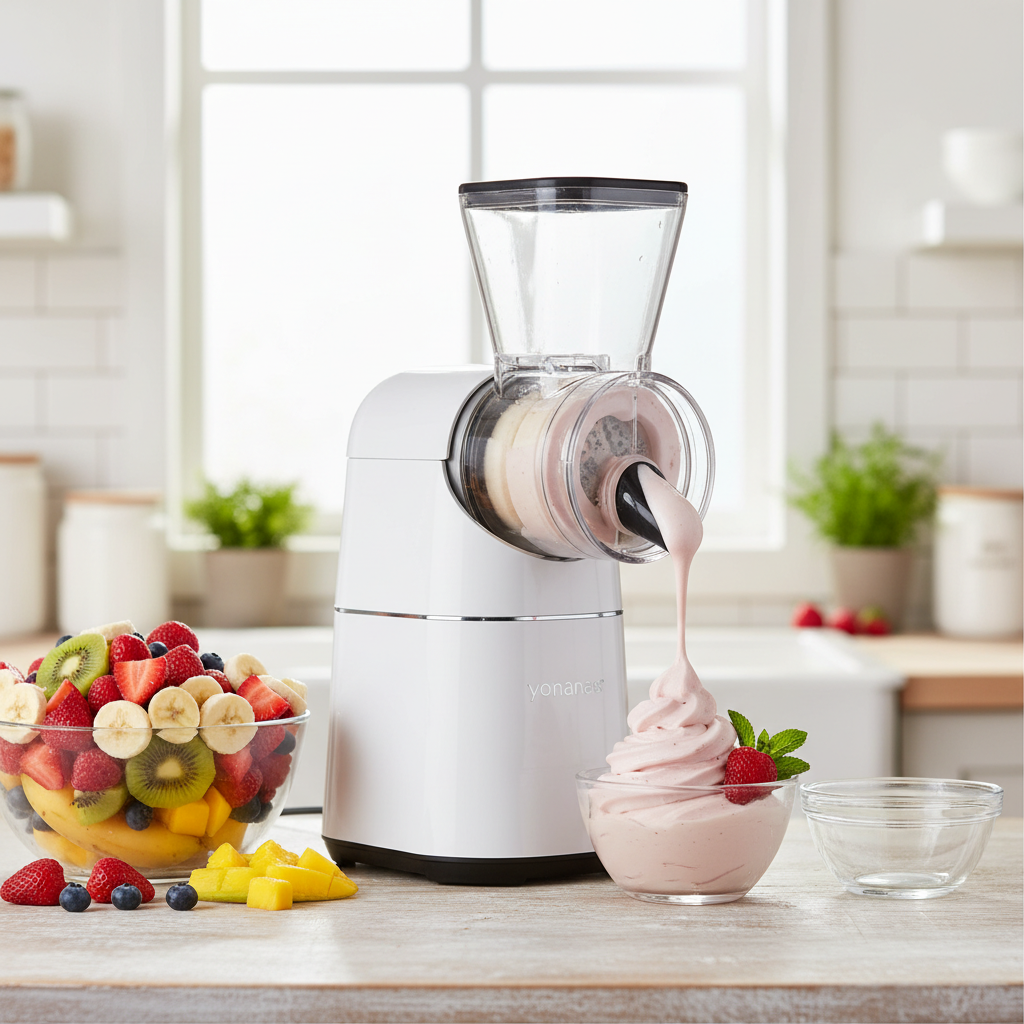
The world of ice cream making offers a delightful array of possibilities, from crafting small, artisanal batches to producing vast quantities for commercial distribution. At the heart of this production lie two primary types of machines: single batch and continuous batch ice cream makers. Understanding the fundamental differences between these two systems is crucial for anyone looking to enter or expand their frozen dessert venture, whether you’re a budding entrepreneur or a seasoned industry veteran. This guide delves into the nuances of each, helping you navigate the complexities and pinpoint the perfect machine to churn out your frozen dreams.
Understanding the Fundamentals: What Are They?
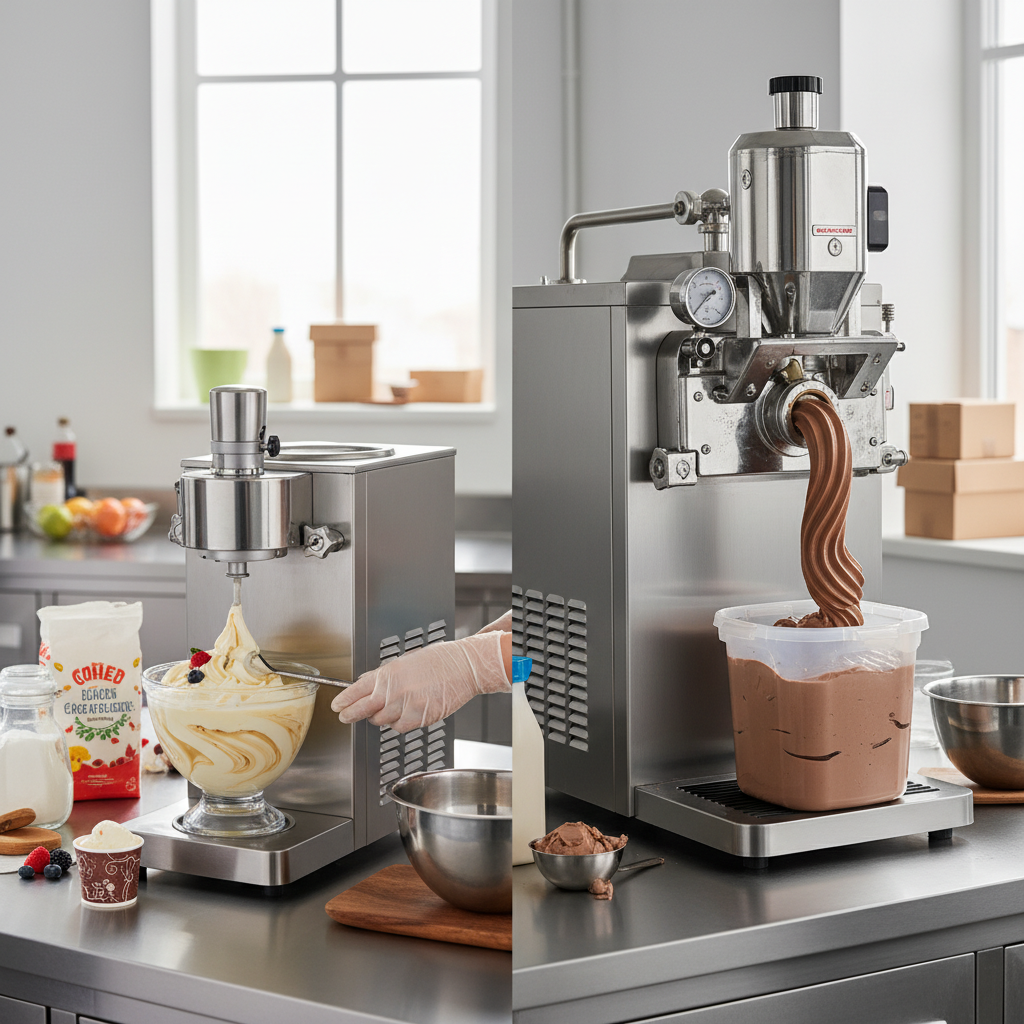
At their core, single batch and continuous batch ice cream makers differ in their operational philosophy and output method. A single batch ice cream maker, often referred to as a batch freezer, is designed to process distinct, individual quantities of ice cream mix at a time. You load a specific amount of liquid base, and the machine churns and freezes it into a finished product before you can start the next batch. This method prioritizes control over each unique formulation.
In contrast, a continuous batch ice cream maker, or continuous freezer, operates without interruption, delivering a steady, uninterrupted flow of frozen dessert. Once the mix is introduced, these machines are engineered for ongoing production, capable of churning out ice cream continuously as long as the base mix is supplied. They are automated, heavy-duty pieces of equipment built for sustained, high-volume output.
Production Scale and Efficiency
The scale of production is perhaps the most significant differentiator between these two types of ice cream makers.
Single batch freezers are the workhorses for small to medium-scale operations. They are the preferred choice for artisan ice cream shops, micro creameries, cafes, and restaurants that prioritize craftsmanship and flexibility over sheer volume. These machines can typically produce anywhere from a few quarts to several gallons in a single run, making them ideal for businesses that create diverse flavors daily without needing industrial quantities of each. Their design allows for manageable batch sizes, ensuring that smaller businesses can meet demand without excessive waste or overproduction.
Continuous batch freezers, on the other hand, are engineered for industrial production and high-volume demand. These machines are the backbone of large-scale ice cream manufacturing facilities that supply supermarkets, food service providers, and other major distributors. They can produce an “endless” supply of ice cream in a single run, making them exceptionally efficient for operations requiring a consistent and massive output of a specific product. Their automated nature means they can run for extended periods with minimal intervention, maximizing production capacity.
Flavor Customization and Flexibility
When it comes to crafting a diverse menu and experimenting with unique flavors, single batch and continuous batch machines offer distinct advantages.
Single batch freezers excel in versatility and customization. They provide unparalleled control over the texture and flavor of each specific batch. This makes them perfect for developing a wide variety of premium products, especially those featuring custom mix-ins like candies, cookies, fruits, or nuts, which can be added directly during the freezing process. Artisan makers cherish batch freezers for their flexibility in producing diverse offerings, allowing them to experiment with limited-edition flavors or seasonal creations that cater to evolving customer preferences. You can easily clean the machine between batches to switch flavors, preventing cross-contamination and maintaining flavor integrity.
Continuous batch freezers are optimized for consistency and efficiency in large-scale production, which inherently limits their flexibility for frequent flavor changes. While they produce high-quality ice cream, they are not designed for making short runs of many different types of ice cream flavors. Their focus is on maintaining a steady flow of a uniform product. Changing flavors in a continuous system typically requires more downtime for cleaning and calibration, making them less ideal for operations that need to frequently switch between a wide array of specialized recipes.
Texture and Quality: The Science Behind the Scoop
The method of freezing and churning in each machine type significantly impacts the final texture and quality of the ice cream.
In a single batch freezer, the freezing process is generally slower, and the churning speed might also be less intense compared to a continuous system. This slower action often results in the formation of larger ice crystals within the ice cream. The outcome is typically a denser, sometimes coarser, and richer texture that is often associated with artisan and gourmet ice creams. These machines allow for precise control over the “overrun” (the amount of air incorporated into the ice cream), though typically at lower percentages than continuous freezers, contributing to the denser mouthfeel.
Continuous batch freezers utilize rapid freezing and continuous, high-speed churning. This aggressive and consistent processing creates much smaller ice crystals, which are crucial for achieving a remarkably smooth and creamy texture. Furthermore, continuous freezers typically incorporate air into the mix via a pump, allowing for significantly higher aeration levels (overrun) — sometimes well over 100 percent. This higher air content results in a lighter, softer, and often fluffier ice cream, characteristic of many commercially produced varieties. The consistent output ensures uniform texture across vast quantities of product.
Operational Aspects and Automation
The day-to-day operation and level of automation also present clear distinctions.
Single batch freezers generally require more manual input. Operators must load each batch of mix, monitor the freezing process, and then manually unload the finished ice cream before preparing the machine for the next batch. While some commercial batch freezers have advanced electronic controls, the process still involves distinct start and stop points for each production cycle. This hands-on approach offers greater control for fine-tuning each batch but demands more labor.
Continuous batch freezers are highly automated and designed for ease of operation once programmed. You can essentially program the machine and let it run, only needing to ensure a continuous supply of mix. They are typically fabricated from durable stainless steel and are built for robustness in industrial settings. While the initial setup and calibration might be more complex, their continuous operation significantly reduces the need for constant manual attention, making them highly efficient for long production runs.
Cost and Investment Considerations
The financial investment for these two types of machines varies widely, reflecting their production scale and technological sophistication.
Single batch freezers are generally more accessible from a budget perspective, particularly for small businesses and startups. Prices can range significantly, from around $798 for smaller countertop commercial models to upwards of $60,000 for high-capacity, heavy-duty commercial batch freezers from top brands. The operating costs also tend to be lower for smaller units, making them a cost-effective option for those who don’t require immense output.
Continuous batch freezers represent a substantial investment. Their advanced automation, industrial-grade construction, and high production capacity place them at a much higher price point than most batch freezers. For large-scale producers with high demand, however, this investment is often worthwhile due to the significant gains in efficiency, volume, and consistent product quality that these machines provide.
Who is Each Machine For?
Understanding your specific needs is paramount in choosing between these two types of ice cream makers.
Single batch freezers are ideal for:
- Artisan Ice Cream Shops: For crafting unique, high-quality flavors with precise control.
- Restaurants and Cafes: To produce fresh, homemade ice cream or gelato for their menus.
- Micro Cremeries: Businesses focused on local production and diverse flavor offerings.
- Entrepreneurs: Those starting a small-scale ice cream business with a focus on custom creations.
Continuous batch freezers are ideal for:
- Large-Scale Ice Cream Manufacturers: Companies producing vast quantities of ice cream for retail and distribution.
- Industrial Food Production Facilities: Operations requiring consistent, high-volume output with minimal supervision.
- Businesses Scaling Up: Smaller producers looking to significantly increase their production capacity and streamline operations.
Detailed Comparison Table
| Feature | Single Batch Ice Cream Maker | Continuous Batch Ice Cream Maker |
|---|---|---|
| Operational Method | Processes distinct, individual quantities | Produces a steady, uninterrupted flow |
| Production Scale | Small to medium, artisan, craft | Industrial, large-scale, high-volume |
| Flavor Flexibility | High; easy to switch flavors, add mix-ins | Low; optimized for consistent production of single flavors |
| Ice Crystal Size | Larger (due to slower freezing/churning) | Smaller (due to rapid freezing/continuous churning) |
| Texture | Denser, richer, often coarser | Smoother, lighter, softer, higher overrun |
| Air Content (Overrun) | Lower to moderate, controllable | High (can exceed 100%), precisely controlled |
| Automation | More manual input, batch-by-batch operation | Highly automated, continuous, programmable |
| Cost | Generally more affordable for small businesses | Significant investment, higher price point |
| Ideal For | Artisan shops, restaurants, micro cremeries | Large manufacturers, industrial production |
Choosing the Right Ice Cream Maker for Your Needs
Selecting the appropriate ice cream maker is a strategic decision that directly impacts your product quality, operational efficiency, and profitability. Consider the following:
- Assess Your Production Volume: How much ice cream do you need to produce daily, weekly, or monthly? If it’s hundreds or thousands of gallons, a continuous freezer is essential. For dozens of gallons, a batch freezer is more suitable.
- Consider Your Desired Product Variety: Do you plan to offer a wide array of unique, rotating flavors with specialized mix-ins, or will you focus on a few core, high-volume flavors? Batch freezers are kings of variety.
- Evaluate Your Budget: Factor in not just the initial purchase price but also installation, maintenance, and operational costs.
- Think About Labor and Automation: How much manual labor are you willing or able to dedicate to ice cream production? Continuous machines reduce labor significantly for high volumes.
- Prioritize Texture Preference: Do you aim for a dense, rich, artisanal texture or a lighter, creamier, high-overrun commercial feel?
Ultimately, the choice between a single batch and a continuous batch ice cream maker boils down to aligning the machine’s capabilities with your business model, production goals, and creative vision.
Conclusion
Both single batch and continuous batch ice cream makers serve distinct, vital roles in the frozen dessert industry. The single batch freezer offers unparalleled flexibility and control for crafting diverse, high-quality artisanal products on a smaller scale, making it a favorite among small businesses and experimental creators. Conversely, the continuous batch freezer is the undisputed champion of efficiency and consistent high-volume production, essential for large-scale manufacturing. Your journey to perfect ice cream production depends on carefully weighing these factors and selecting the machine that best complements your unique aspirations and operational demands. What kind of frozen delight will you churn out next?
Frequently Asked Questions
Which type of ice cream maker is better for a startup ice cream business?
|
Our Picks for the Best Ice cream maker in 2026
As an Amazon Associate I earn from qualifying purchases.
|
||
| Num | Product | Action |
|---|---|---|
| 1 | Dash My Mug Ice Cream Maker - Makes Single Serving of Gelato, Frozen Yogurt, Sorbet & More - Easy to Clean & Use - Aqua, 2 Bowls |

|
| 2 | Cuisinart Ice Cream Maker, 1.5 Quart Double Insulated, Sorbet and Frozen Yogurt Maker, Ready in 20 Minutes, ICE-21P1, White |
|
| 3 | Ninja CREAMi Scoop & Swirl Ice Cream Maker, Soft Serve Desserts, Sorbet, Milkshakes, Frozen Yogurt and More, 13-in-1 Programs, Includes Handle and Two 16 oz 2-in-1 Pints, NC701 |
|
| 4 | Nostalgia Electric Ice Cream Maker With 4 Qt Capacity- Old Fashioned Ice Cream Machine Makes Frozen Yogurt or Gelato in Minutes- Vintage Wooden Style Ice Cream Maker with Aluminum Canister- Light Wood |
|
| 5 | Ninja NC301 CREAMi Ice Cream Maker, for Gelato, Mix-ins, Milkshakes, Sorbet, Smoothie Bowls & More, 7 One-Touch Programs, with (2) Pint Containers & Lids, Compact Size, Perfect for Kids, Silver |
|
| 6 | Elite Gourmet 4Qt Electric Ice Cream Maker EIM350 Delicious Homemade Ice Cream, Gelato, Sorbet, Frozen Yogurt, 4Qt Aluminum Freezing Cannister, Durable Plastic Ice Bucket, Powerful 50W, Periwinkle |
|
| 7 | Ice Cream Maker Attachment for KitchenAid, Fits KitchenAid 4.5/5QT & 6QT Mixers, Frozen Ice Cream & Sorbet Gelato Maker, 2 Quart, White |
|
| 8 | Cuisinart Ice Cream Maker Machine, 2-Quart Ice Cream, Sorbet and Frozen Yogurt Machine, Fully Automatic Double-Insulated Freezer Bowl Makes Frozen Desserts in Under 30 Minutes, ICE30BCP1, Silver |
|
| 9 | Nostalgia Electric Ice Cream Maker - Old Fashioned Soft Serve Ice Cream Machine Makes Frozen Yogurt or Gelato in Minutes - Fun Kitchen Appliance - Blue - 4 Quart |
|
| 10 | Cuisinart Ice Cream Maker Machine, 2-Quart Stainless Steel Frozen Yogurt, Gelato, Sorbet, Ready in 20 Minutes, LCD Screen and Timer, ICE-70P1 |
|
For a startup ice cream business, a single batch ice cream maker (batch freezer) is generally recommended. It offers greater flexibility for developing diverse flavors, experimenting with recipes, and managing production volume effectively without a massive initial investment.
Can a continuous ice cream maker produce gelato?
While continuous ice cream makers can produce a wide range of frozen desserts, traditional gelato, known for its dense texture and lower air content, is typically best achieved with a batch freezer. The slower churning and precise control of a batch machine are better suited for gelato’s specific characteristics.
How does overrun (air content) differ between batch and continuous freezers?
Continuous freezers typically achieve much higher overrun levels, often exceeding 100%, due to their automated air injection systems. Batch freezers generally produce ice cream with lower overrun, resulting in a denser product, though the exact overrun is controllable.
Are continuous ice cream makers difficult to operate?
Once properly set up and programmed, continuous ice cream makers are designed for easy and largely automated operation. Their complexity lies more in the initial installation and calibration, but routine running requires less manual intervention than managing individual batches.