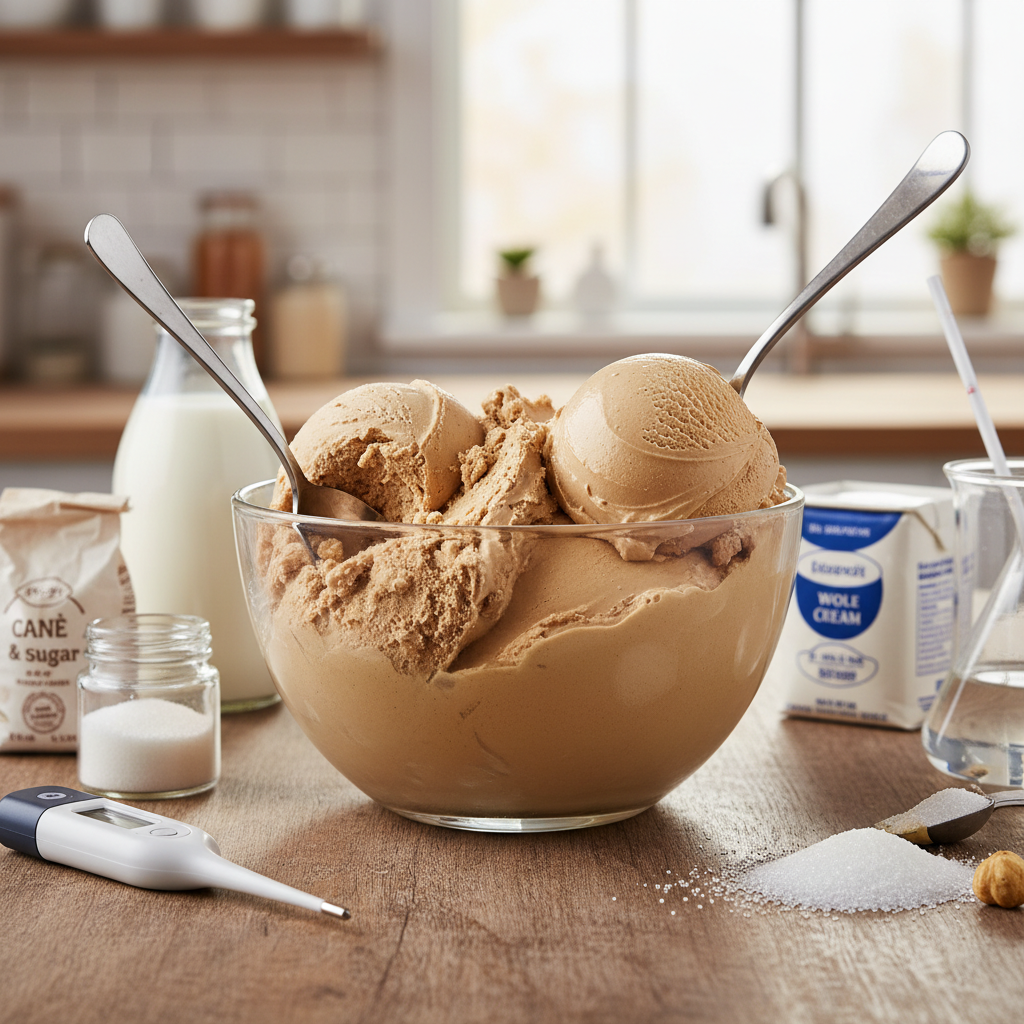
There’s nothing quite like the indulgence of homemade ice cream – rich, flavorful, and incredibly satisfying. Yet, many home cooks face a common, disheartening challenge: the dreaded ice crystals that can turn a silky-smooth treat into a gritty, icy disappointment. As someone who has spent over a decade perfecting the art of ice cream making, from compact home units to professional machines, I understand this frustration intimately. This guide will reveal the secrets to banishing those unwelcome crystals, ensuring every scoop of your homemade creation is perfectly smooth and lusciously creamy.
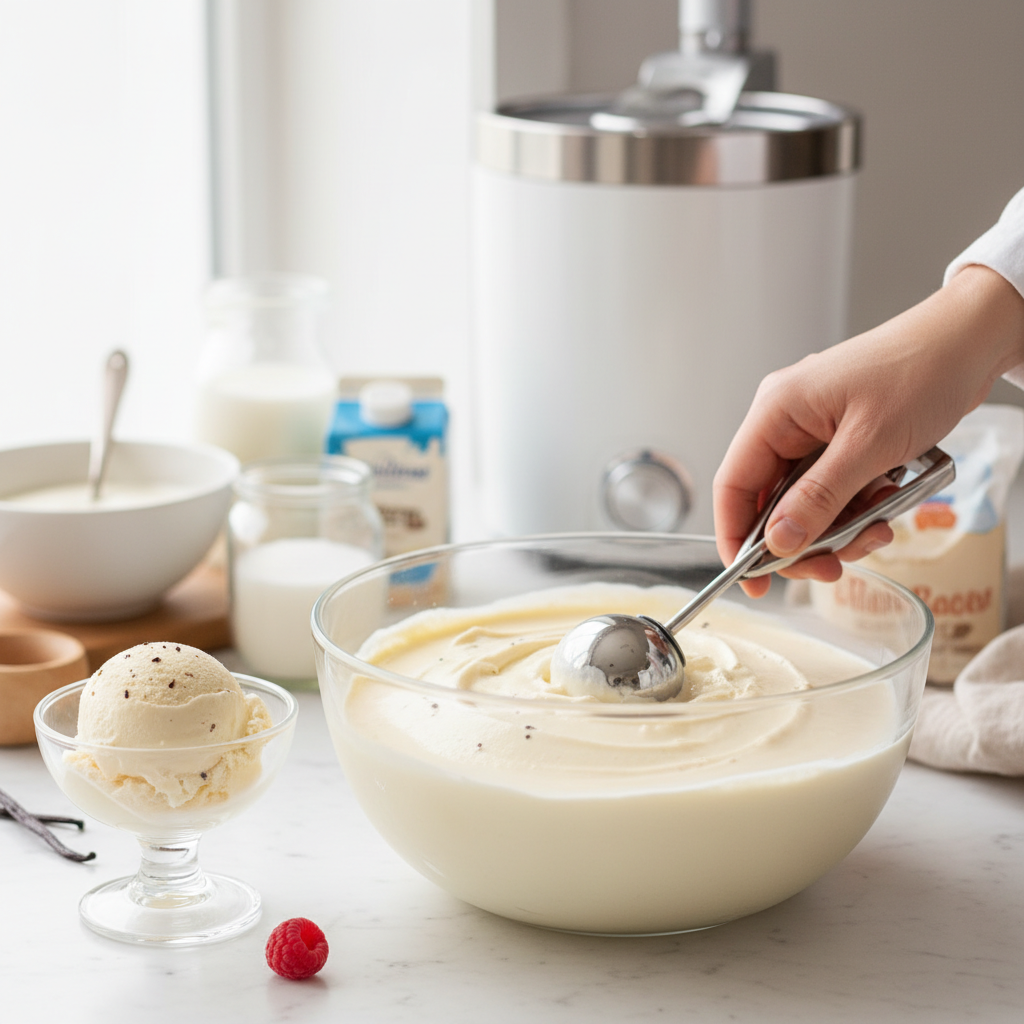
Understanding the “Why”: The Science Behind Ice Crystals
To effectively prevent ice crystals, we first need to understand why they form. Ice cream is essentially an emulsion of fat, water, air, and sugar, all frozen together. The water, primarily from milk and cream, is where the trouble begins. When ice cream freezes slowly, water molecules have ample time to gather and form larger, detectable ice crystals. This process is exacerbated by fluctuating temperatures, such as those caused by repeatedly opening and closing your freezer door, leading to thawing and refreezing, which allows existing small crystals to grow into larger ones – a phenomenon often associated with freezer burn. The goal is to ensure the ice crystals remain so tiny (ideally between 10 and 45 micrometers) that your tongue can’t detect them, perceiving only a smooth texture.
Mastering Your Ingredients: The Foundation of Smoothness
The recipe itself plays a crucial role in preventing ice crystal formation. The right balance of ingredients can significantly lower the freezing point and enhance smoothness.
The Power of Sugar
|
Our Picks for the Best Ice cream maker in 2026
As an Amazon Associate I earn from qualifying purchases.
|
||
| Num | Product | Action |
|---|---|---|
| 1 | Ninja NC301 CREAMi Ice Cream Maker, for Gelato, Mix-ins, Milkshakes, Sorbet, Smoothie Bowls & More, 7 One-Touch Programs, with (2) Pint Containers & Lids, Compact Size, Perfect for Kids, Silver |

|
| 2 | Cuisinart Ice Cream Maker Machine, 2-Quart Stainless Steel Frozen Yogurt, Gelato, Sorbet, Ready in 20 Minutes, LCD Screen and Timer, ICE-70P1 |
|
| 3 | Ninja CREAMi Scoop & Swirl Ice Cream Maker, Soft Serve Desserts, Sorbet, Milkshakes, Frozen Yogurt and More, 13-in-1 Programs, Includes Handle and Two 16 oz 2-in-1 Pints, NC701 |
|
| 4 | Nostalgia Electric Ice Cream Maker - Old Fashioned Soft Serve Ice Cream Machine Makes Frozen Yogurt or Gelato in Minutes - Fun Kitchen Appliance - Blue - 4 Quart |
|
| 5 | Cuisinart Ice Cream Maker, 1.5 Quart Double Insulated, Sorbet and Frozen Yogurt Maker, Ready in 20 Minutes, ICE-21P1, White |
|
| 6 | Cuisinart Ice Cream Maker Machine, 2-Quart Ice Cream, Sorbet and Frozen Yogurt Machine, Fully Automatic Double-Insulated Freezer Bowl Makes Frozen Desserts in Under 30 Minutes, ICE30BCP1, Silver |
|
| 7 | Nostalgia Electric Ice Cream Maker With 4 Qt Capacity- Old Fashioned Ice Cream Machine Makes Frozen Yogurt or Gelato in Minutes- Vintage Wooden Style Ice Cream Maker with Aluminum Canister- Light Wood |
|
| 8 | Elite Gourmet 4Qt Electric Ice Cream Maker EIM350 Delicious Homemade Ice Cream, Gelato, Sorbet, Frozen Yogurt, 4Qt Aluminum Freezing Cannister, Durable Plastic Ice Bucket, Powerful 50W, Periwinkle |
|
| 9 | Dash My Mug Ice Cream Maker - Makes Single Serving of Gelato, Frozen Yogurt, Sorbet & More - Easy to Clean & Use - Aqua, 2 Bowls |
|
| 10 | Ice Cream Maker Attachment for KitchenAid, Fits KitchenAid 4.5/5QT & 6QT Mixers, Frozen Ice Cream & Sorbet Gelato Maker, 2 Quart, White |
|
Sugar isn’t just for sweetness; it’s a vital component for texture. Sugars act as an anti-freeze, lowering the freezing point of the ice cream base and inhibiting the formation of large ice crystals. Using a combination of granulated sugar and liquid sugars like corn syrup, honey, or agave nectar can be particularly effective. Liquid sugars are especially good at interfering with crystal growth, contributing to a softer, less icy texture. Don’t skimp on the sugar content outlined in a tested recipe, as it’s carefully balanced for optimal consistency.
Embrace the Fat
Fat is a friend to creamy ice cream. A higher fat content, typically found in heavy cream, results in smaller ice crystals and a richer, smoother mouthfeel. Recipes that use a higher ratio of heavy cream to milk will generally yield a creamier product. Skim milk or low-fat alternatives increase the water content, making your ice cream more susceptible to iciness.
Stabilizers and Emulsifiers
These unsung heroes can make a significant difference. Stabilizers, like a small amount of xanthan gum (around 0.05-0.1% by weight), guar gum, or locust bean gum, increase the viscosity of the mix, which helps to retard ice crystal growth during storage. Emulsifiers, such as egg yolks (which contain lecithin), help to create a more stable emulsion of fats and water, contributing to a smoother texture. Many classic French-style ice creams use a custard base with egg yolks for this very reason.
Strategic Alcohol Addition
A touch of high-proof alcohol can work wonders. Adding 1-2 tablespoons of spirits like vodka, rum, or bourbon per quart of ice cream base can further lower the freezing point, making it harder for large ice crystals to form. Choose an alcohol that complements your ice cream flavor, or opt for a neutral spirit like vodka if you prefer not to alter the taste.
Mind Your Water Content
Be mindful of ingredients that add a lot of water. If you’re incorporating watery fruits or juices, consider reducing other liquid components in your recipe slightly, or macerating fruits with sugar beforehand to draw out excess moisture. Too much water is the enemy of creamy ice cream.
Perfecting the Process: Churning and Freezing Techniques
Even with the perfect recipe, improper technique can lead to icy results. The speed and temperature of freezing are paramount.
Pre-Chilling is Key
Start cold, stay cold. Ensure your ice cream mixture is thoroughly chilled in the refrigerator for at least 4 hours, or ideally overnight, before churning. Equally important is your ice cream maker’s freezing bowl. For most home machines, the bowl needs a full 24 hours (or even longer) in the coldest part of your freezer to be sufficiently cold. A well-chilled mix and a properly frozen bowl enable the ice cream to freeze faster.
The Art of Churning
Churning is not just mixing; it’s actively disrupting the formation of large ice crystals. As the mixture freezes in the machine, the paddle continuously scrapes tiny ice crystals from the sides of the bowl and incorporates air. This rapid agitation keeps the crystals small and evenly dispersed, creating that desirable smooth texture. The faster the freezing and churning, the smaller the crystals. If you don’t have an ice cream maker, you can still achieve decent results by frequently stirring or beating the mixture every 30-60 minutes during the initial freezing process in your freezer, breaking up crystals as they form.
Optimizing Your Freezer
Your freezer itself plays a significant role. Set your freezer to its coldest possible temperature, ideally 0°F (-18°C) or lower. The colder the environment, the faster your ice cream will freeze after churning, minimizing the time large crystals have to form. Also, ensure your freezer is not overstuffed, as this can impede cold air circulation.
Smart Storage: Protecting Your Creamy Creation
Even after achieving the perfect churn, improper storage can lead to iciness over time.
Airtight is Right
Transfer your freshly churned ice cream into an airtight, freezer-safe container as quickly as possible. Exposure to air is a primary cause of freezer burn and crystal growth. Glass containers with tight-fitting lids or specialized ice cream tubs are excellent choices.
The Protective Layer
For an extra layer of protection, press a piece of wax paper, parchment paper, or plastic wrap directly onto the surface of the ice cream before securing the lid. This creates a barrier against condensation and air, significantly reducing the chances of surface ice crystals.
Minimize Temperature Swings
Store your ice cream in the coldest part of your freezer, typically towards the back or bottom, away from the door. The freezer door is subject to frequent temperature fluctuations every time it’s opened, which can cause subtle thawing and refreezing, leading to crystal growth.
Conclusion
Creating perfectly creamy homemade ice cream is an achievable art, not a myth. By understanding the science behind ice crystal formation and implementing these expert techniques – from balancing your ingredients with sufficient sugar and fat, to meticulous pre-chilling and efficient churning, and finally, to thoughtful storage – you can elevate your ice cream game. Say goodbye to icy disappointments and hello to consistently smooth, delectable scoops that rival your favorite artisan brands. What’s your next homemade ice cream flavor going to be?
Frequently Asked Questions
How long does homemade ice cream stay good without getting icy?
With proper preparation and airtight storage, homemade ice cream can maintain its creamy texture for about one to two weeks. Beyond that, ice crystals may gradually begin to form and grow, even with the best efforts, due to natural temperature fluctuations and changes within the freezer environment.
Can I make creamy ice cream without an ice cream maker?
While an ice cream maker is ideal for continuous churning, you can make creamy ice cream without one. The key is to manually intervene during the freezing process. Freeze your mixture in a shallow pan, then take it out every 30-60 minutes to vigorously beat it with a hand mixer or whisk for several minutes, breaking up any forming ice crystals, until it reaches your desired consistency. Repeat this process 3-5 times.
Does adding more fat always prevent ice crystals?
Increasing fat content generally helps reduce ice crystals by contributing to a smoother texture and lowering the overall water content relative to solids. However, there’s a point of diminishing returns. Excessively high fat can make ice cream feel greasy and impact flavor release. A balanced recipe incorporating sufficient fat alongside other preventative measures is always best.