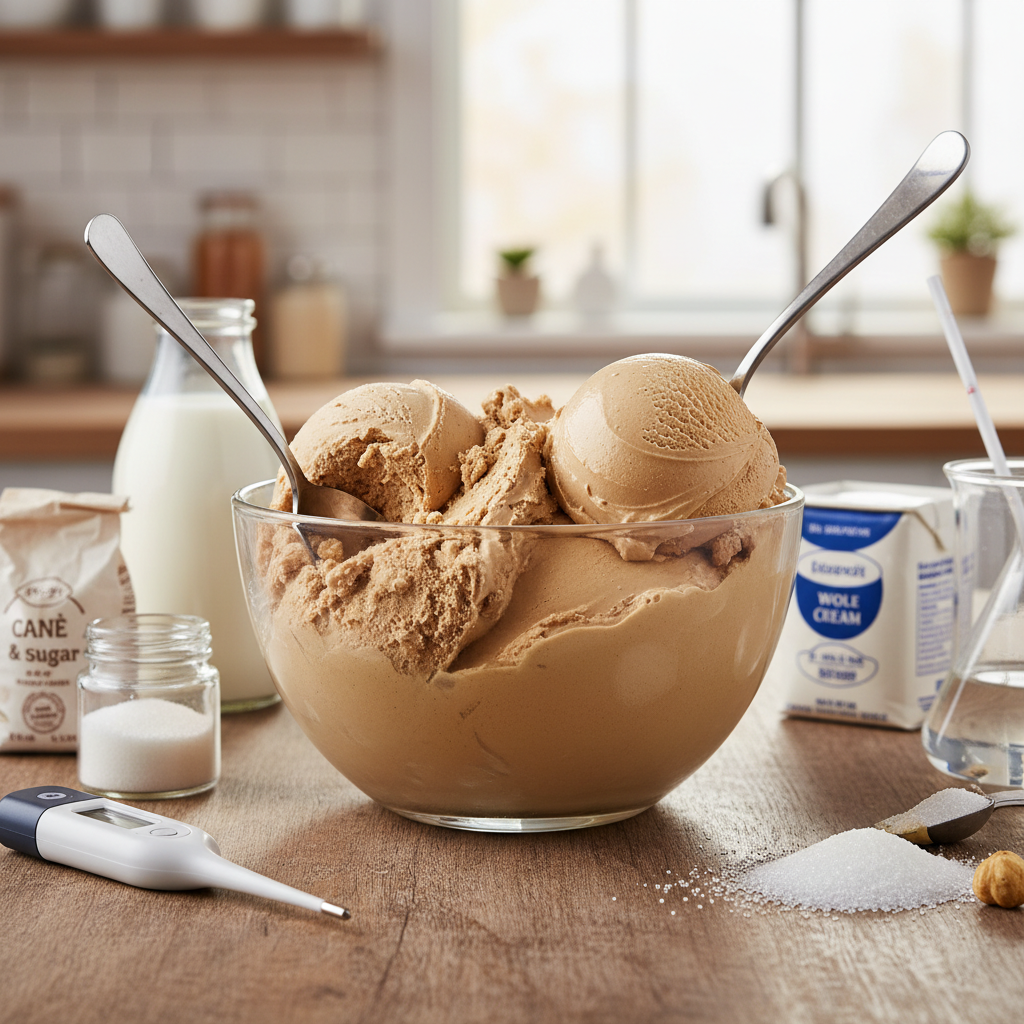
There’s a special kind of delight that comes with a scoop of adult-only ice cream, swirling with the nuanced flavors of your favorite spirits. Yet, many home chefs face the same frustrating challenge: how to make boozy ice cream that actually freezes, rather than turning into a soupy, un-scoopable mess. The secret lies in understanding the science of alcohol and applying precise culinary techniques. This comprehensive guide will equip you with the knowledge and methods to create consistently firm, deliciously scoopable spiked ice cream every time.
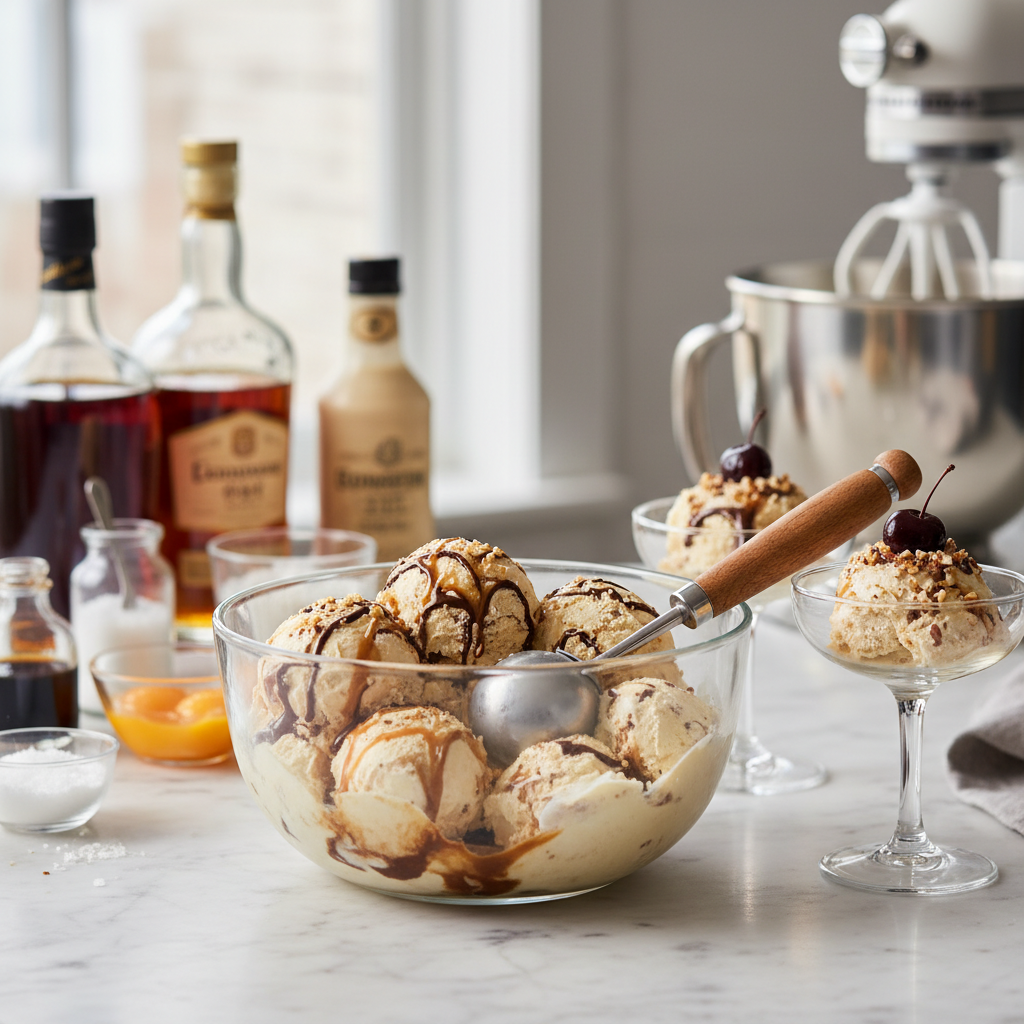
The Chilling Truth: Why Alcohol Resists Freezing
At the heart of the boozy ice cream dilemma is alcohol’s naturally low freezing point. Pure ethanol, the alcohol found in spirits, won’t freeze until a frigid -173°F (-114°C). While you’re not using pure ethanol in your recipes, the presence of alcohol significantly depresses the freezing point of the water in your ice cream base. This means that a standard home freezer, typically set around 0°F (-18°C), simply isn’t cold enough to solidify a mixture with a high alcohol content. Adding too much alcohol leads to a product that remains soft, like a milkshake, or a gooey consistency that stubbornly refuses to harden.
The Golden Ratio: Balancing Booze for the Best Freeze
Achieving a perfectly frozen, scoopable boozy ice cream hinges on moderation and precise ratios. It’s a delicate balance where too little alcohol won’t deliver the desired kick, and too much will prevent proper freezing.
- General Guideline: For a typically scoopable texture, aim for no more than 20% alcohol by total weight of your ice cream base when using a 40% ABV (80-proof) liquor. This typically results in a final ice cream with roughly 8% alcohol by volume.
- Practical Measurement: A common recommendation is to add up to 3 to 4 tablespoons of 80-proof liquor per quart (about 1 liter) of ice cream base. This amount introduces flavor and a desirable soft texture without completely inhibiting the freezing process.
- Proof Matters: Remember that higher proof spirits will have a more pronounced effect on the freezing point, requiring even smaller quantities. Lower-proof liqueurs, while easier to freeze (some around 22°F/-6°C), still need careful consideration to avoid an overly soft result.
Selecting Your Spirits: Flavor and Freeze Considerations
The type of alcohol you choose not only dictates the flavor profile but also influences the final texture of your boozy ice cream.
- Neutral Spirits: If your primary goal is to achieve a softer, more scoopable texture without imparting a strong alcoholic taste, a neutral spirit like vodka is an excellent choice.
- Flavorful Pairings:
- Whiskey or Bourbon adds rich, nutty, and caramelized notes that complement vanilla, chocolate, or pecan-based ice creams.
- Gin can introduce an herbal complexity, particularly delightful in fruit-based sorbets or ice creams like strawberry.
- Fruit-flavored liqueurs such as Kirsch (cherry brandy) or Limoncello can enhance the fruitiness of a base or introduce a bright, zesty character.
- Creamy liqueurs like Kahlua or Irish cream contribute flavor and a lower proof, making them slightly easier to incorporate while maintaining structure.
Consider how the alcohol’s proof will affect the freezing. Liqueurs, with their lower alcohol content, will typically freeze at warmer temperatures than high-proof spirits, making them somewhat more forgiving in recipes.
The Power of Stabilizers: Enhancing Texture and Preventing Ice Crystals
Stabilizers are your secret weapon in the quest for perfectly frozen boozy ice cream. They work by binding to water, preventing the formation of large, gritty ice crystals, improving texture, and combating rapid melting.
Common Stabilizers for Boozy Ice Cream:
- Egg Yolks (Lecithin): This traditional stabilizer creates a rich custard base. The fat content in egg yolks contributes to a smoother, softer freeze and helps emulsify the mixture, leading to a luxurious mouthfeel and reduced ice crystal growth.
- Guar Gum: Derived from the guar bean, this natural thickener is widely used in commercial ice creams. Guar gum excels at binding water, which helps prevent ice crystal formation and improves the overall texture and melting resistance, even in the presence of alcohol. It’s effective in cold processes.
- Xanthan Gum: A powerful cold-process stabilizer that hydrates easily in lower temperatures. Use xanthan gum sparingly, as too much can lead to an undesirable slimy or gummy texture. It’s excellent for increasing viscosity and preventing separation.
- Locust Bean Gum (LBG): Extracted from the carob tree, LBG requires heating (typically above 175°F or 80°C) to hydrate properly. When activated, it contributes significantly to the body and structure of the ice cream, helping it hold its shape.
- Cream Cheese: A surprising but effective stabilizer, cream cheese adds fat and a bit of tang, helping to create a smoother, richer texture and improve freezing properties.
|
Our Picks for the Best Ice cream maker in 2026
As an Amazon Associate I earn from qualifying purchases.
|
||
| Num | Product | Action |
|---|---|---|
| 1 | Nostalgia Electric Ice Cream Maker With 4 Qt Capacity- Old Fashioned Ice Cream Machine Makes Frozen Yogurt or Gelato in Minutes- Vintage Wooden Style Ice Cream Maker with Aluminum Canister- Light Wood |

|
| 2 | Cuisinart Ice Cream Maker Machine, 2-Quart Stainless Steel Frozen Yogurt, Gelato, Sorbet, Ready in 20 Minutes, LCD Screen and Timer, ICE-70P1 |
|
| 3 | Dash My Mug Ice Cream Maker - Makes Single Serving of Gelato, Frozen Yogurt, Sorbet & More - Easy to Clean & Use - Aqua, 2 Bowls |
|
| 4 | Cuisinart Ice Cream Maker, 1.5 Quart Double Insulated, Sorbet and Frozen Yogurt Maker, Ready in 20 Minutes, ICE-21P1, White |
|
| 5 | Cuisinart Ice Cream Maker Machine, 2-Quart Ice Cream, Sorbet and Frozen Yogurt Machine, Fully Automatic Double-Insulated Freezer Bowl Makes Frozen Desserts in Under 30 Minutes, ICE30BCP1, Silver |
|
| 6 | Ice Cream Maker Attachment for KitchenAid, Fits KitchenAid 4.5/5QT & 6QT Mixers, Frozen Ice Cream & Sorbet Gelato Maker, 2 Quart, White |
|
| 7 | Nostalgia Electric Ice Cream Maker - Old Fashioned Soft Serve Ice Cream Machine Makes Frozen Yogurt or Gelato in Minutes - Fun Kitchen Appliance - Blue - 4 Quart |
|
| 8 | Elite Gourmet 4Qt Electric Ice Cream Maker EIM350 Delicious Homemade Ice Cream, Gelato, Sorbet, Frozen Yogurt, 4Qt Aluminum Freezing Cannister, Durable Plastic Ice Bucket, Powerful 50W, Periwinkle |
|
| 9 | Ninja CREAMi Scoop & Swirl Ice Cream Maker, Soft Serve Desserts, Sorbet, Milkshakes, Frozen Yogurt and More, 13-in-1 Programs, Includes Handle and Two 16 oz 2-in-1 Pints, NC701 |
|
| 10 | Ninja NC301 CREAMi Ice Cream Maker, for Gelato, Mix-ins, Milkshakes, Sorbet, Smoothie Bowls & More, 7 One-Touch Programs, with (2) Pint Containers & Lids, Compact Size, Perfect for Kids, Silver |
|
How to Use Stabilizers Effectively:
Always whisk powdered gums thoroughly with a small amount of sugar or a dry ingredient before adding them to your liquid base. This prevents clumping and ensures even dispersion. For stabilizers like locust bean gum that require heat, ensure your base reaches the recommended temperature for activation. Combining different stabilizers can sometimes yield the best results, leveraging their individual benefits.
Techniques for a Flawlessly Frozen Boozy Batch
Beyond ingredient ratios and stabilizers, proper technique is essential to achieve the desired frozen consistency for your boozy ice cream.
- Prepare Your Base: Ensure your ice cream base (with alcohol and stabilizers incorporated) is thoroughly chilled, ideally overnight, before churning. A cold base churns more efficiently and freezes faster.
- Churn to Perfection: Use your ice cream maker according to its manufacturer’s instructions. Churn until the mixture reaches the consistency of soft-serve ice cream. At this stage, it will be soft but visibly thickened and aerated.
- The Deep Freeze: Transfer your freshly churned boozy ice cream to a freezer-safe container. Press a piece of parchment paper or plastic wrap directly onto the surface of the ice cream to prevent ice crystal formation on top.
- Harden Thoroughly: Place the container in the coldest part of your freezer. Allow it to harden for at least 8 hours, or preferably overnight, before serving. This crucial step allows the ice cream to firm up completely.
- Serving Tips: Due to the alcohol content, boozy ice cream will naturally be softer than traditional ice cream and may melt more quickly. Serve it in chilled bowls or sturdy cones, and enjoy it promptly.
Troubleshooting Your Boozy Creations
Even with the best intentions, you might encounter issues. Here’s how to troubleshoot common problems:
- “My Ice Cream is Too Soft/Won’t Freeze!” This is almost always a sign of too much alcohol.
- Solution 1: Dilute: If possible, add more of your non-alcoholic ice cream base (without adding more alcohol) to the mixture to dilute the alcohol content. Re-churn and re-freeze.
- Solution 2: Boost Stabilizers: Incorporate a small amount of an additional stabilizer like guar gum or cream cheese into your softened ice cream, then re-churn and freeze.
- Solution 3: Immediate Consumption: For a quick fix, if you plan to consume it immediately, you can use dry ice or liquid nitrogen to rapidly freeze it, though it won’t maintain a hard texture long-term in a regular freezer.
- “My Ice Cream Melts Too Fast!” This is an inherent property when alcohol is present.
- Solution: Ensure you’ve used the correct alcohol ratios and incorporated stabilizers like egg yolks or gums. These will help mitigate rapid melting, though a boozy scoop will always have a slightly faster melt rate than its non-alcoholic counterpart.
Creating perfectly frozen, scoopable boozy ice cream is a rewarding culinary adventure. By mastering alcohol ratios, wisely selecting your spirits, and strategically employing stabilizers, you can overcome the freezing challenges and indulge in a truly grown-up treat. Don’t be afraid to experiment with different flavor combinations and techniques to discover your signature spiked dessert.
What boozy ice cream flavor will you create next?
Frequently Asked Questions
What is the ideal alcohol percentage for boozy ice cream?
For a scoopable texture in a home freezer, aim for the final ice cream to have an alcohol by volume (ABV) of around 8%. This typically translates to about 3-4 tablespoons of 80-proof liquor per quart of ice cream base.
Can I use any type of alcohol in ice cream?
While you can use most spirits, consider the proof and flavor pairing. Higher proof alcohols require smaller quantities. Neutral spirits like vodka are good for texture without strong flavor, while whiskey, gin, or liqueurs add distinct taste profiles.
Why does my boozy ice cream not freeze hard?
Alcohol lowers the freezing point of water, and standard home freezers aren’t cold enough to solidify mixtures with too much alcohol. Excessive alcohol content is the primary reason for a soft, slushy, or unfrozen consistency.
Do I need special equipment to make boozy ice cream?
A standard ice cream maker is sufficient. However, using precise measurements (a kitchen scale is recommended for stabilizers and alcohol) and ensuring your base is thoroughly chilled are key to success.
How can I fix boozy ice cream that’s too soft?
If your boozy ice cream is too soft, you can try diluting it by adding more non-alcoholic ice cream base, or incorporating a small amount of a stabilizer like guar gum or cream cheese before re-churning and re-freezing.