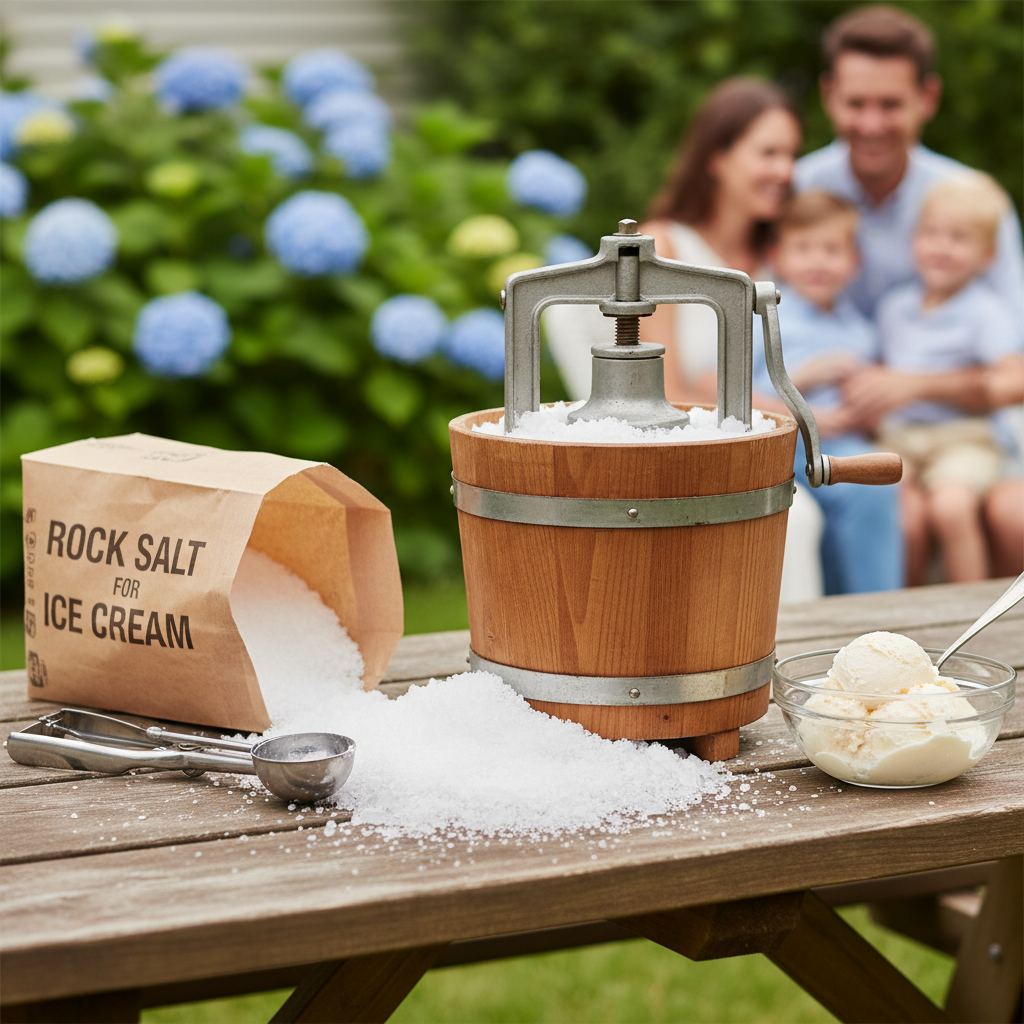
There’s an undeniable joy in crafting homemade ice cream, a creamy canvas ready for your culinary imagination. From crunchy chocolate chunks to chewy cookie dough, mix-ins elevate a simple scoop into an unforgettable experience. Yet, the path to perfect, chunky ice cream is often fraught with peril: a jammed machine, mix-ins sinking to the bottom, or delicate additions pulverized into oblivion. Fear not, fellow ice cream enthusiast! With the right knowledge and techniques, you can effortlessly incorporate your favorite inclusions without a hitch, ensuring every bite is a delightful surprise.
Understanding Your Ice Cream Machine and Mix-Ins
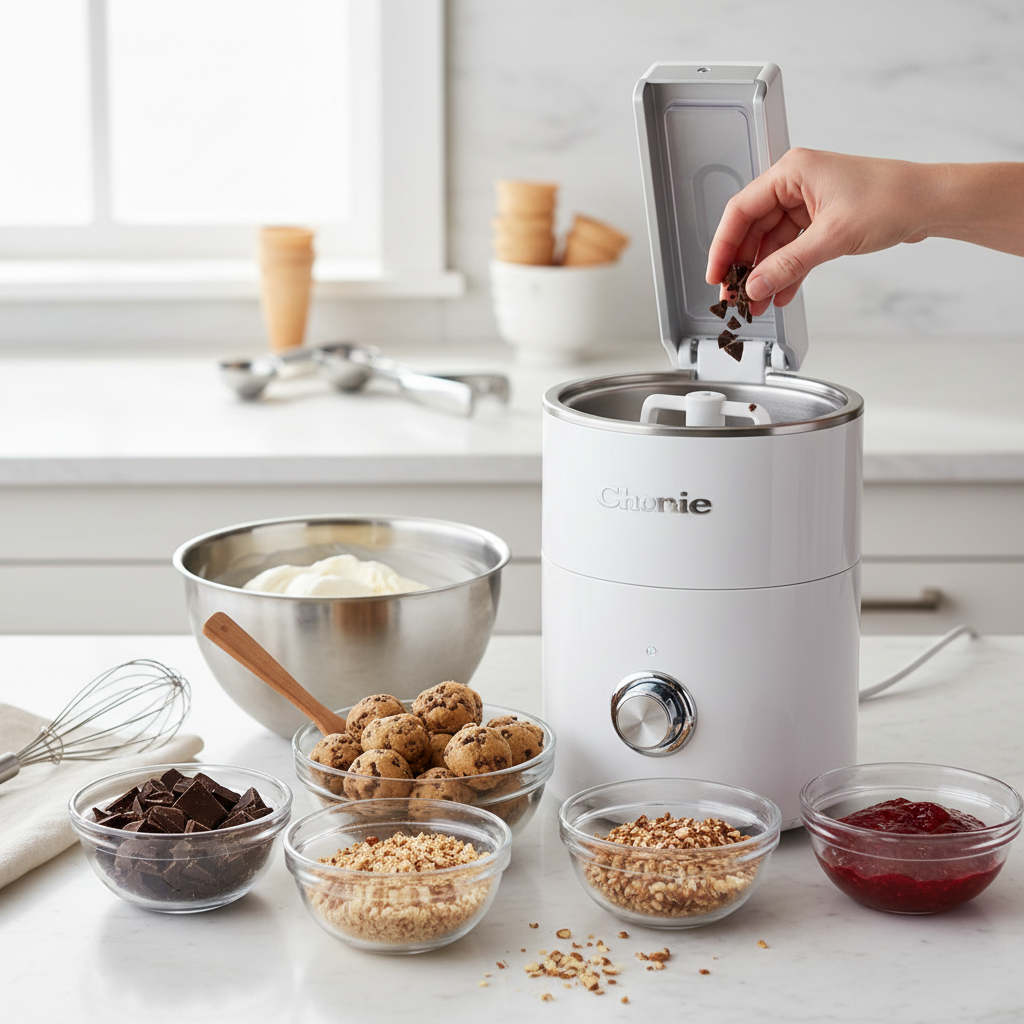
Before diving into techniques, it’s helpful to understand the interaction between your machine and the ingredients. Whether you use a compressor model, a frozen-bowl unit, or even a stand mixer attachment, the core principle remains: a churning paddle mixes and freezes the base. Mix-ins, or inclusions, are added to this churning process to become part of the final texture.
Not all mix-ins are created equal. We can generally categorize them:
- Hard/Crunchy: Chocolate chips, chopped nuts, candy pieces, crushed cookies. These are typically more robust and can withstand some churning.
- Soft/Delicate: Fresh fruit pieces, cake cubes, brownie bites, mini marshmallows. These are prone to breaking apart, melting, or dissolving if not handled correctly.
- Sauces/Ribbons: Caramel swirls, fruit purees, chocolate fudge. These require careful timing to achieve a ribboned effect rather than fully blending in.
|
Our Picks for the Best Ice cream maker in 2026
As an Amazon Associate I earn from qualifying purchases.
|
||
| Num | Product | Action |
|---|---|---|
| 1 | Dash My Mug Ice Cream Maker - Makes Single Serving of Gelato, Frozen Yogurt, Sorbet & More - Easy to Clean & Use - Aqua, 2 Bowls |

|
| 2 | Cuisinart Ice Cream Maker Machine, 2-Quart Ice Cream, Sorbet and Frozen Yogurt Machine, Fully Automatic Double-Insulated Freezer Bowl Makes Frozen Desserts in Under 30 Minutes, ICE30BCP1, Silver |
|
| 3 | Ninja NC301 CREAMi Ice Cream Maker, for Gelato, Mix-ins, Milkshakes, Sorbet, Smoothie Bowls & More, 7 One-Touch Programs, with (2) Pint Containers & Lids, Compact Size, Perfect for Kids, Silver |
|
| 4 | Ice Cream Maker Attachment for KitchenAid, Fits KitchenAid 4.5/5QT & 6QT Mixers, Frozen Ice Cream & Sorbet Gelato Maker, 2 Quart, White |
|
| 5 | Elite Gourmet 4Qt Electric Ice Cream Maker EIM350 Delicious Homemade Ice Cream, Gelato, Sorbet, Frozen Yogurt, 4Qt Aluminum Freezing Cannister, Durable Plastic Ice Bucket, Powerful 50W, Periwinkle |
|
| 6 | Nostalgia Electric Ice Cream Maker With 4 Qt Capacity- Old Fashioned Ice Cream Machine Makes Frozen Yogurt or Gelato in Minutes- Vintage Wooden Style Ice Cream Maker with Aluminum Canister- Light Wood |
|
| 7 | Ninja CREAMi Scoop & Swirl Ice Cream Maker, Soft Serve Desserts, Sorbet, Milkshakes, Frozen Yogurt and More, 13-in-1 Programs, Includes Handle and Two 16 oz 2-in-1 Pints, NC701 |
|
| 8 | Nostalgia Electric Ice Cream Maker - Old Fashioned Soft Serve Ice Cream Machine Makes Frozen Yogurt or Gelato in Minutes - Fun Kitchen Appliance - Blue - 4 Quart |
|
| 9 | Cuisinart Ice Cream Maker Machine, 2-Quart Stainless Steel Frozen Yogurt, Gelato, Sorbet, Ready in 20 Minutes, LCD Screen and Timer, ICE-70P1 |
|
| 10 | Cuisinart Ice Cream Maker, 1.5 Quart Double Insulated, Sorbet and Frozen Yogurt Maker, Ready in 20 Minutes, ICE-21P1, White |
|
The Golden Rules of Mix-In Preparation
The secret to successful mix-ins often lies in preparation long before they meet the churning ice cream.
Size Matters for Smooth Operation
One of the most common culprits for a jammed machine is oversized mix-ins. Large chunks can get caught between the dasher (paddle) and the bowl, halting the churning process or even damaging your equipment. Aim for mix-ins no larger than a standard chocolate chip. If you’re using ingredients like cookies or brownies, break them into smaller, uniform pieces. For nuts, a coarse chop is usually ideal. Conversely, sieve out any fine crumbs or dust from crushed items, as these can create a grainy texture in your smooth ice cream.
Temperature Control is Key
Adding warm or even room-temperature mix-ins is a recipe for disaster. The sudden temperature change can cause localized melting in your partially frozen ice cream base, leading to unwanted ice crystals and a less creamy texture. Always pre-chill or, even better, pre-freeze your mix-ins. For softer ingredients like fruit or cake, freezing them solid beforehand helps them retain their shape during incorporation and prevents them from getting squashed. Harder items like chocolate chips also benefit from being thoroughly chilled, preventing them from melting slightly upon contact with the ice cream.
Quantity Control Prevents Overload
While it’s tempting to load up your ice cream with abundant mix-ins, moderation is crucial for both your machine’s health and the final product’s texture. Too many mix-ins can overwhelm the dasher, making it difficult to churn properly and increasing the risk of jamming. A general guideline is to add about 1/2 to 1 cup of mix-ins per quart of ice cream. For extra-chunky results, lean towards the higher end, but never exceed your machine’s recommendations, if any. Adding a little at a time also ensures more even distribution.
Optimal Timing for Adding Mix-Ins
Timing is paramount. Add mix-ins too early, and they might sink to the bottom or be pulverized beyond recognition. Add them too late, and you’ll struggle to distribute them evenly without melting the ice cream.
The “sweet spot” is typically during the final stage of churning, when the ice cream has achieved a thick, soft-serve consistency but is still malleable. At this point, the base is firm enough to suspend the mix-ins, preventing them from sinking, yet soft enough for the dasher to incorporate them gently. For most machines, this translates to the last 30-60 seconds of the churning process. Observe your machine: once the ice cream visibly thickens and starts pulling away from the sides of the bowl, it’s usually time.
Techniques for Seamless Incorporation
Depending on your mix-ins, you have a few powerful techniques at your disposal.
Direct Machine Incorporation
This method is ideal for hard, durable, and pre-chilled mix-ins like chocolate chips, chopped nuts, or candy bits.
- Wait for the Right Consistency: Ensure your ice cream is almost fully churned to a soft-serve consistency.
- Add Slowly: With the machine still running, gradually add your prepared mix-ins through the opening in the lid.
- Churn Briefly: Allow the machine to churn for just 1-2 minutes more. This is enough time to distribute the mix-ins evenly without breaking them down excessively or jamming the paddle.
Hand-Folding for Delicacy and Control
For soft, fragile mix-ins such as fresh berries, cake pieces, or delicate cookie dough chunks, or if you simply prefer more control over their integrity, hand-folding is the superior method.
- Transfer from Machine: Once your ice cream has reached a soft-serve consistency, turn off the machine and transfer the churned ice cream into a pre-chilled freezer-safe container.
- Add Mix-Ins: Sprinkle your pre-chilled mix-ins over the ice cream.
- Gentle Folding: Using a spatula, gently fold the mix-ins into the ice cream. Avoid vigorous stirring, which can deflate the ice cream and smash delicate ingredients. Fold just until evenly distributed.
Layering for Perfect Distribution and Texture Pockets
Layering is an excellent technique for ensuring an even spread of mix-ins and creating delightful pockets of flavor, especially with sauces or very delicate items.
- Prepare Container: Have a chilled freezer-safe container ready.
- Layer Alternately: Spoon a layer of churned ice cream into the container, then add a layer of your mix-ins (or drizzle with sauce). Repeat this process, alternating ice cream and mix-ins, until the container is full.
- Swirl (Optional): For sauces, you can gently swirl a knife through the layers to create ribbons.
- Freeze: Cover and place in the freezer to harden.
Common Mix-In Challenges and Solutions
Even with the best intentions, challenges can arise. Here’s how to troubleshoot them:
- Mix-ins Sinking to the Bottom: This usually means the ice cream base wasn’t firm enough when the mix-ins were added. Ensure the ice cream is at a thick soft-serve consistency before adding. Hand-folding or layering can also help.
- Mix-ins Getting Pulverized: Adding mix-ins too early in the churning process or using the machine for too long after adding them can turn chunks into dust. Pre-freezing larger chunks (like cookie dough) and adding them in the final minute of churning, or hand-folding delicate items, will help maintain their integrity. Some high-powered machines are naturally more aggressive; consider hand-folding for those.
- Ice Cream Becoming Icy or Melting: Warm mix-ins are the primary cause. Always pre-chill or pre-freeze your additions. Work quickly when adding mix-ins, especially during hand-folding.
- Machine Jamming: Overly large mix-ins or too many at once are the main culprits. Stick to the recommended size and quantity. If it jams, turn off the machine immediately, remove the paddle, clear any obstructions, and then re-evaluate your mix-in strategy.
Expert Tips for Next-Level Ice Cream
To truly elevate your homemade ice cream with inclusions, consider these additional insights:
- Toast Your Nuts: Lightly toasting nuts before adding them to your ice cream enhances their flavor and crunch. Allow them to cool completely before chilling or freezing.
- Coat Sticky Mix-Ins: For sticky items like dried fruits or chewy caramels, lightly dusting them with a tablespoon of flour or cornstarch can prevent them from clumping together and help them distribute more evenly.
- Boozy Fruits: Soaking fruits in a small amount of alcohol (like rum for raisins) can prevent them from freezing rock-hard in the ice cream. Just be mindful of the liquid content.
- Chill Your Tools: Keep your mixing bowls, spatulas, and storage containers in the freezer before use. This helps maintain the cold temperature of the ice cream and reduces the risk of melting.
Conclusion
Creating homemade ice cream with delicious mix-ins is a rewarding culinary adventure. By understanding the interplay between your ingredients and your machine, and by applying these expert tips for preparation, timing, and technique, you can overcome common challenges like jamming and achieve perfectly incorporated, flavorful results every time. Don’t be afraid to experiment with different combinations, from classic cookies and cream to adventurous fruit and spice blends. What’s your favorite mix-in to add to homemade ice cream, and what new combination will you try next?