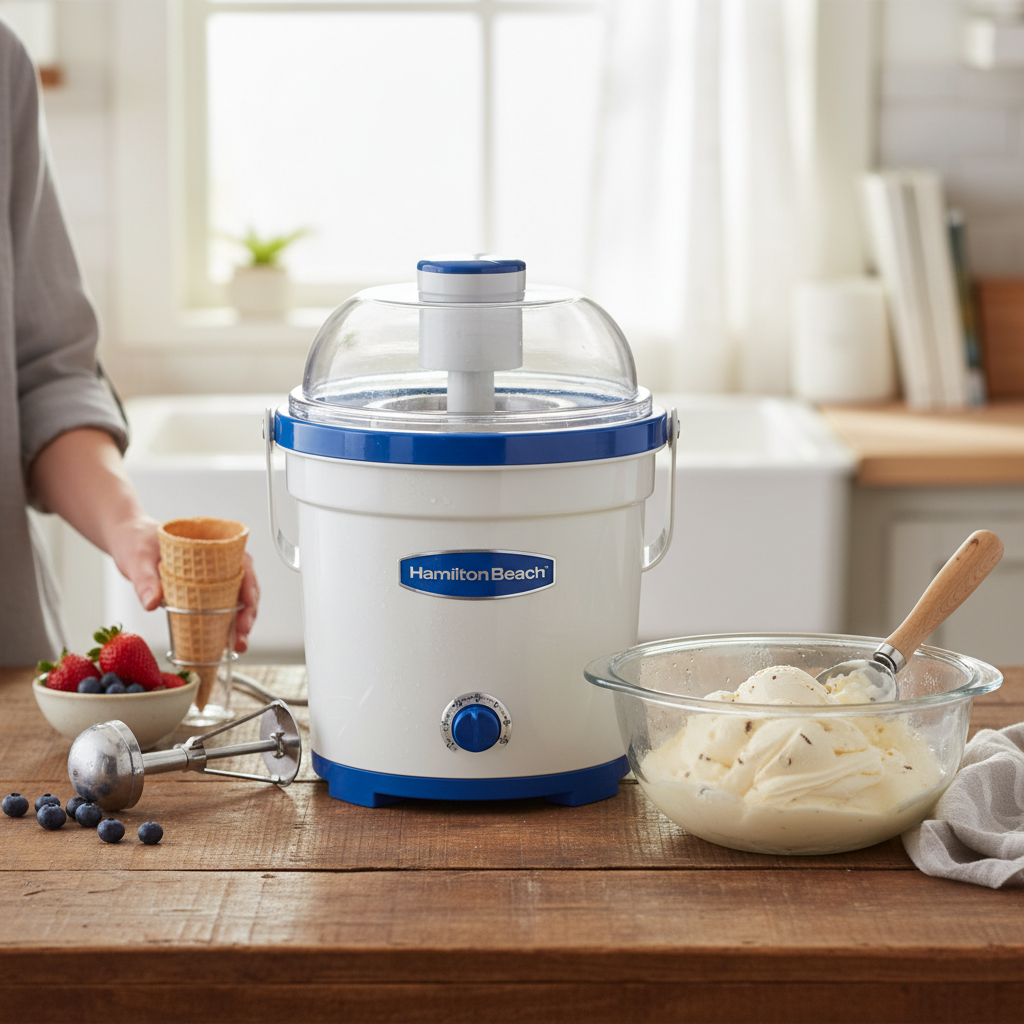
Imagine crafting a perfectly smooth, intensely flavored ice cream right before your eyes, enveloped in a dramatic cloud of smoke. This isn’t a scene from a futuristic movie; it’s the mesmerizing reality of liquid nitrogen ice cream. As dessert enthusiasts increasingly seek novelty and customization, this innovative technique has emerged from high-end kitchens and specialized parlors, sparking curiosity about its potential in the home kitchen. While the allure is undeniable, bringing this cryogenic wonder home requires a deep understanding of its science, its spectacular benefits, and, critically, the stringent safety measures involved.
Understanding Liquid Nitrogen Ice Cream: The Science Behind the Spectacle
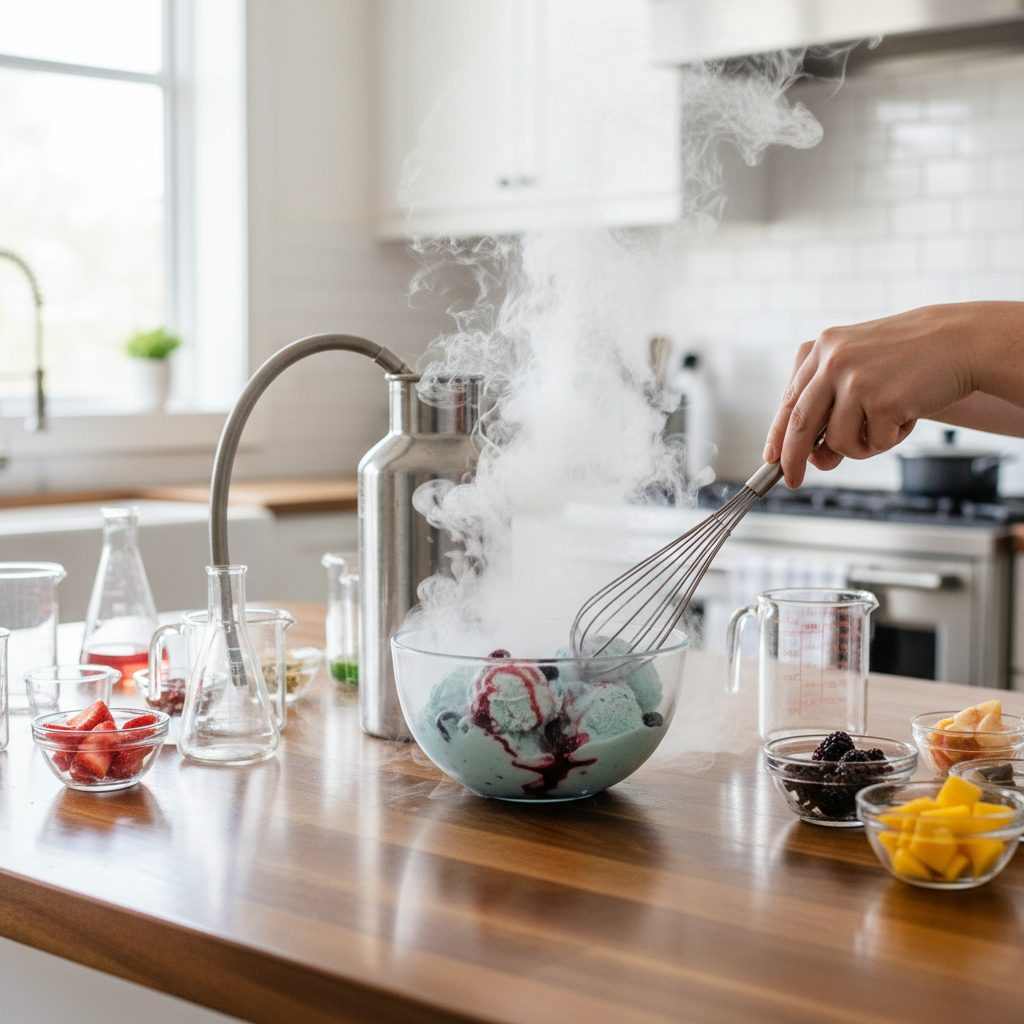
At its core, liquid nitrogen ice cream leverages extreme cold to create a dessert unlike any other. Liquid nitrogen (LN2) is nitrogen gas chilled to an astonishing -321°F (-196°C), transforming it into a clear, odorless liquid. When this ultra-cold liquid is introduced to an ice cream base, it flash-freezes the mixture almost instantly.
This rapid freezing is the secret to its superior texture. Traditional ice cream relies on churners that slowly freeze the mixture, allowing larger ice crystals to form. Liquid nitrogen, however, freezes so quickly that water molecules don’t have time to aggregate, resulting in incredibly tiny ice crystals. The outcome is an extraordinarily smooth, dense, and creamy ice cream with a velvety mouthfeel that’s difficult to achieve with conventional methods. Beyond the texture, the immediate freezing also locks in fresh flavors, delivering a more vibrant taste experience.
Is Liquid Nitrogen Ice Cream Truly the Future of Home Desserts?
The idea of making such a high-quality, theatrical dessert in your own kitchen is certainly exciting. The benefits for the home chef are tempting:
- Instant Gratification: Ice cream can be ready in minutes, eliminating long waits for conventional freezing.
- Unparalleled Smoothness: The tiny ice crystals create a texture that’s arguably superior to most homemade ice creams.
- Flavor Intensity: Rapid freezing preserves delicate flavors more effectively.
- Customization on Demand: Create small, personalized batches with fresh ingredients for every craving.
- The “Wow” Factor: The billowing fog creates a visually stunning culinary show, perfect for entertaining.
However, the question of whether this technique is truly viable for the average home kitchen comes with significant caveats, primarily concerning safety and accessibility.
Essential Safety Precautions for Handling Liquid Nitrogen
Liquid nitrogen is not a typical kitchen ingredient and demands extreme caution. Its ultra-low temperature poses severe hazards if not handled correctly.
- Extreme Cold: Direct contact with liquid nitrogen can cause severe frostbite instantly, akin to a burn. Skin and eye exposure must be avoided at all costs.
- Asphyxiation Risk: As liquid nitrogen warms, it rapidly converts back into gaseous nitrogen. One liter of liquid nitrogen expands to about 700 liters of gas. In an enclosed space, this gas can quickly displace oxygen, leading to suffocation without warning, as nitrogen is colorless and odorless.
- Never Ingest Liquid Nitrogen: It is absolutely critical that all liquid nitrogen has completely evaporated before consuming the ice cream. Ingesting even a small amount of liquid nitrogen can cause severe internal injuries as it rapidly expands into gas inside the body.
To mitigate these risks, anyone considering working with liquid nitrogen, even for culinary purposes, must adhere to strict safety protocols:
- Personal Protective Equipment (PPE): Always wear cryogenic-specific gloves, safety goggles, long-sleeved shirts, long pants, and closed-toe shoes. This protects against splashes and direct contact.
- Ventilation is Paramount: Work only in extremely well-ventilated areas, preferably outdoors or in a commercial kitchen with powerful exhaust systems. Never use liquid nitrogen in a small, enclosed space.
- Proper Containers and Tools: Use only metal or specialized cryogenic-safe containers for mixing. Glass, ceramic, and some plastics can become brittle and shatter at such low temperatures. Stir with wooden or metal utensils.
- Slow and Controlled Addition: Pour liquid nitrogen slowly and in small increments while continuously stirring the ice cream base.
- Complete Evaporation: Ensure that all liquid nitrogen has boiled off and only the solid ice cream remains before serving. If the ice cream is too hard or crunchy, it’s likely still too cold to safely consume.
Beyond safety, acquiring and storing liquid nitrogen itself presents a challenge for home users. It requires specialized, insulated storage vessels called dewars, and it’s not readily available to the general public in many areas. The cost can also be prohibitive for casual use.
The Basic Recipe: Crafting Nitro Ice Cream (with a Professional Advisory)
For those with appropriate training and access to safety equipment, the process of making liquid nitrogen ice cream is surprisingly simple in terms of ingredients.
Basic Ingredients:
- Heavy cream
- Half-and-half (or milk, depending on desired richness)
- Granulated sugar
- Vanilla extract or other flavorings (chocolate syrup, fruit purees, etc.)
The Process (Under Strict Supervision and Safety):
- Prepare the Base: In a large, metal bowl, combine the cream, half-and-half, and sugar. Stir until the sugar is fully dissolved. Add your desired flavorings.
- Apply PPE: Don all necessary safety gear: cryogenic gloves, safety goggles, appropriate clothing.
- Introduce Liquid Nitrogen: Slowly and gradually pour small amounts of liquid nitrogen into the cream mixture while another person continuously stirs vigorously with a sturdy wooden or metal spoon. The mixture will rapidly thicken and emit dramatic plumes of white vapor.
- Achieve Desired Consistency: Continue adding small amounts of LN2 and stirring until the ice cream reaches your desired consistency – smooth, creamy, and free of any visible liquid nitrogen.
- Allow Evaporation: Crucially, allow any remaining liquid nitrogen to completely evaporate before serving. The ice cream should be soft and scoopable, not rock-hard.
This simplified guide is purely illustrative. Attempting this without comprehensive training and adherence to professional safety standards is highly discouraged.
Beyond the Home Kitchen: Commercial Trends and Innovation
While home use remains niche and high-risk, liquid nitrogen ice cream continues to thrive in commercial settings, influencing the broader dessert landscape. Trends indicate a strong consumer demand for made-to-order, customizable flavors, and interactive culinary experiences—all areas where liquid nitrogen excels. This method allows shops to create fresh, unique flavors on the spot, engaging customers with the theatrical freezing process. Even more futuristic applications, such as 3D printing ice cream, have explored using liquid nitrogen to solidify complex shapes instantly, hinting at the endless possibilities this technology holds in skilled hands.
Conclusion
Liquid nitrogen ice cream represents an exciting frontier in frozen desserts, offering unparalleled smoothness, intense flavors, and a captivating visual display. The immediate freezing capabilities and customizable nature align perfectly with the evolving desires of today’s dessert lovers. While the idea of whipping up a batch at home is undeniably appealing, the significant safety risks associated with handling liquid nitrogen—from severe frostbite to asphyxiation—make it a technique best left to trained professionals in controlled environments. As we look to the future of dessert, liquid nitrogen ice cream serves as a delicious reminder of culinary innovation, albeit one that demands profound respect for its powerful science.
So, will liquid nitrogen ice cream become a staple in every home kitchen? Perhaps not soon, but its influence on dessert trends and the pursuit of the perfect scoop is undeniable. What innovative dessert experience do you hope to see next?
Frequently Asked Questions
Is liquid nitrogen ice cream safe to eat?
|
Our Picks for the Best Ice cream maker in 2026
As an Amazon Associate I earn from qualifying purchases.
|
||
| Num | Product | Action |
|---|---|---|
| 1 | Cuisinart Ice Cream Maker Machine, 2-Quart Stainless Steel Frozen Yogurt, Gelato, Sorbet, Ready in 20 Minutes, LCD Screen and Timer, ICE-70P1 |

|
| 2 | Cuisinart Ice Cream Maker, 1.5 Quart Double Insulated, Sorbet and Frozen Yogurt Maker, Ready in 20 Minutes, ICE-21P1, White |
|
| 3 | Ninja CREAMi Scoop & Swirl Ice Cream Maker, Soft Serve Desserts, Sorbet, Milkshakes, Frozen Yogurt and More, 13-in-1 Programs, Includes Handle and Two 16 oz 2-in-1 Pints, NC701 |
|
| 4 | Nostalgia Electric Ice Cream Maker With 4 Qt Capacity- Old Fashioned Ice Cream Machine Makes Frozen Yogurt or Gelato in Minutes- Vintage Wooden Style Ice Cream Maker with Aluminum Canister- Light Wood |
|
| 5 | Cuisinart Ice Cream Maker Machine, 2-Quart Ice Cream, Sorbet and Frozen Yogurt Machine, Fully Automatic Double-Insulated Freezer Bowl Makes Frozen Desserts in Under 30 Minutes, ICE30BCP1, Silver |
|
| 6 | Nostalgia Electric Ice Cream Maker - Old Fashioned Soft Serve Ice Cream Machine Makes Frozen Yogurt or Gelato in Minutes - Fun Kitchen Appliance - Blue - 4 Quart |
|
| 7 | Elite Gourmet 4Qt Electric Ice Cream Maker EIM350 Delicious Homemade Ice Cream, Gelato, Sorbet, Frozen Yogurt, 4Qt Aluminum Freezing Cannister, Durable Plastic Ice Bucket, Powerful 50W, Periwinkle |
|
| 8 | Ice Cream Maker Attachment for KitchenAid, Fits KitchenAid 4.5/5QT & 6QT Mixers, Frozen Ice Cream & Sorbet Gelato Maker, 2 Quart, White |
|
| 9 | Ninja NC301 CREAMi Ice Cream Maker, for Gelato, Mix-ins, Milkshakes, Sorbet, Smoothie Bowls & More, 7 One-Touch Programs, with (2) Pint Containers & Lids, Compact Size, Perfect for Kids, Silver |
|
| 10 | Dash My Mug Ice Cream Maker - Makes Single Serving of Gelato, Frozen Yogurt, Sorbet & More - Easy to Clean & Use - Aqua, 2 Bowls |
|
Yes, liquid nitrogen ice cream is safe to eat once all the liquid nitrogen has completely evaporated. The extreme cold freezes the ice cream base, and the nitrogen then turns back into a harmless gas that dissipates into the air, leaving only the delicious frozen dessert.
How does liquid nitrogen make ice cream smoother?
Liquid nitrogen freezes the ice cream base so rapidly that it prevents large ice crystals from forming. Instead, microscopic ice crystals are created, resulting in an exceptionally smooth, creamy, and dense texture without any grittiness.
Can I buy liquid nitrogen for home use?
Acquiring liquid nitrogen for home use can be challenging due due to its hazardous nature and specialized storage requirements. It’s typically sold to industrial or scientific facilities, and suppliers may have restrictions for individual consumers.
What equipment do I need to make liquid nitrogen ice cream?
If you were to make it, you would need specialized equipment including a large metal or cryogenic-safe mixing bowl, sturdy stirring utensils, and crucial personal protective equipment like cryogenic gloves and safety goggles. Proper ventilation is also a non-negotiable requirement.
Does liquid nitrogen affect the taste of the ice cream?
No, liquid nitrogen is odorless, colorless, and tasteless. It acts purely as a chilling agent and does not impart any flavor to the ice cream base, allowing the true flavors of your ingredients to shine through.