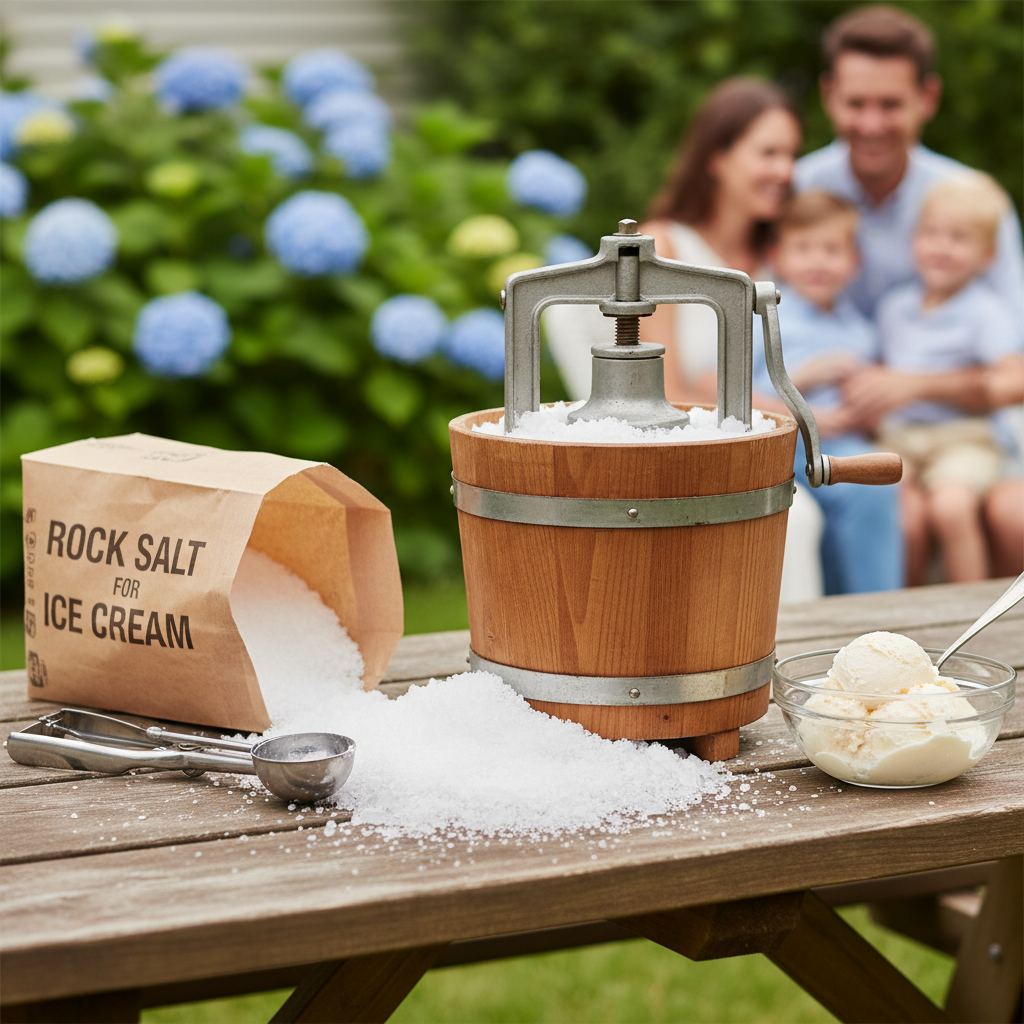
Few culinary delights rival the creamy, rich pleasure of homemade ice cream. Yet, for many home chefs, the journey to a perfect scoop can be fraught with unexpected pitfalls. From an icy texture that crumbles on the tongue to a stubbornly soft batch that refuses to harden, common mistakes can quickly turn a fun kitchen experiment into a frustrating disappointment. With over a decade of hands-on experience in the world of ice cream makers, from compact household units to professional-grade equipment, I’ve seen it all. This comprehensive guide will equip you with the knowledge to identify and rectify these common blunders, ensuring your homemade ice cream consistently achieves that dreamy, irresistible perfection.
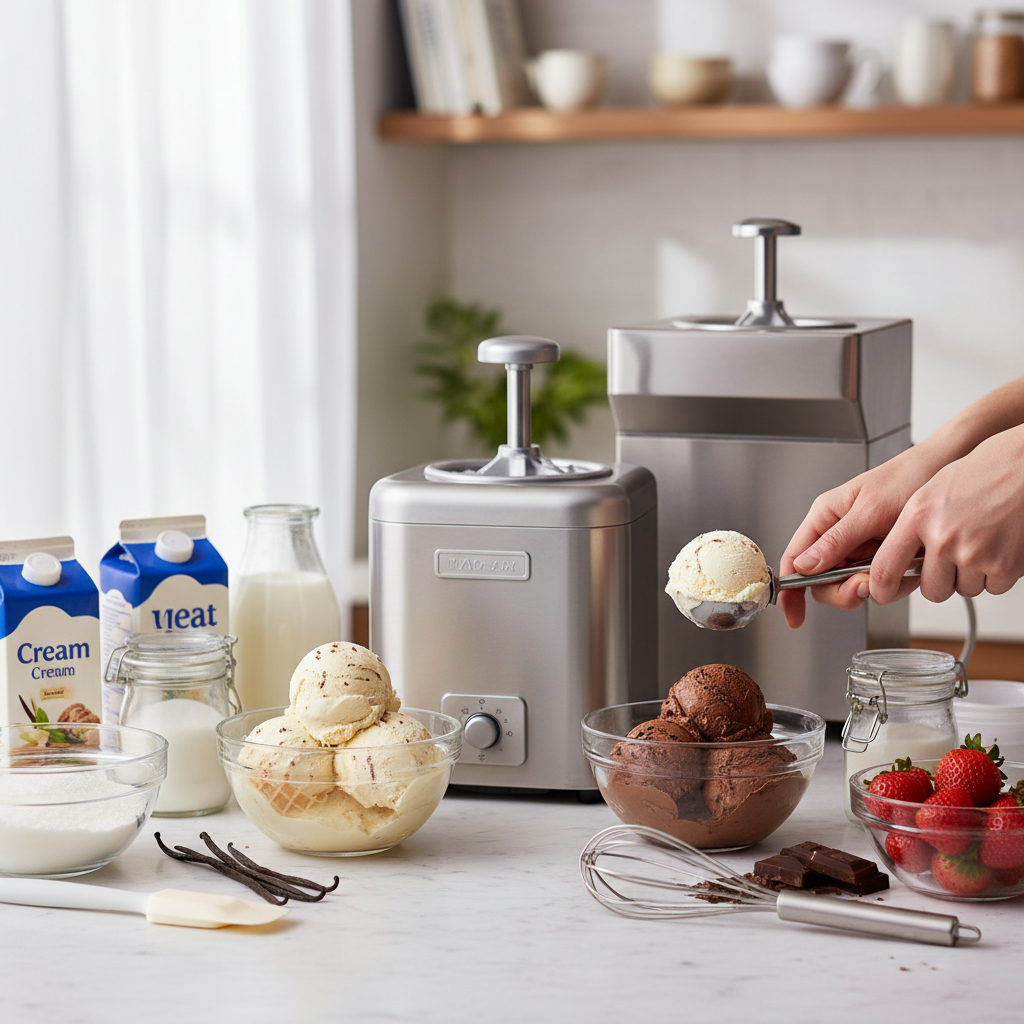
Common Pitfalls That Can Ruin Your Homemade Ice Cream
Crafting exceptional ice cream requires attention to detail at every stage. Overlooking seemingly minor steps can lead to significant issues in your final product. Understanding these frequent missteps is the first step toward mastering the art of homemade frozen desserts.
Ignoring Pre-Chilling Protocol
One of the most frequent errors stems from insufficient chilling, impacting both your equipment and your ingredients. The colder everything is, the faster your ice cream freezes, and speed is crucial for creaminess.
- The Ice Cream Maker Bowl: Many home ice cream makers rely on a freezer bowl with a liquid coolant. If this bowl isn’t completely frozen solid, your machine won’t be able to properly chill the mixture. A partially frozen bowl translates to slower freezing, which is the enemy of smooth ice cream.
- The Ice Cream Base: Pouring a warm or even room-temperature base into your chilled machine is a recipe for disaster. The ice cream mixture must be thoroughly pre-chilled in the refrigerator before churning to give your machine a head start and prevent the formation of large ice crystals.
|
Our Picks for the Best Ice cream maker in 2026
As an Amazon Associate I earn from qualifying purchases.
|
||
| Num | Product | Action |
|---|---|---|
| 1 | Nostalgia Electric Ice Cream Maker With 4 Qt Capacity- Old Fashioned Ice Cream Machine Makes Frozen Yogurt or Gelato in Minutes- Vintage Wooden Style Ice Cream Maker with Aluminum Canister- Light Wood |

|
| 2 | Dash My Mug Ice Cream Maker - Makes Single Serving of Gelato, Frozen Yogurt, Sorbet & More - Easy to Clean & Use - Aqua, 2 Bowls |
|
| 3 | Nostalgia Electric Ice Cream Maker - Old Fashioned Soft Serve Ice Cream Machine Makes Frozen Yogurt or Gelato in Minutes - Fun Kitchen Appliance - Blue - 4 Quart |
|
| 4 | Ninja CREAMi Scoop & Swirl Ice Cream Maker, Soft Serve Desserts, Sorbet, Milkshakes, Frozen Yogurt and More, 13-in-1 Programs, Includes Handle and Two 16 oz 2-in-1 Pints, NC701 |
|
| 5 | Cuisinart Ice Cream Maker Machine, 2-Quart Stainless Steel Frozen Yogurt, Gelato, Sorbet, Ready in 20 Minutes, LCD Screen and Timer, ICE-70P1 |
|
| 6 | Ninja NC301 CREAMi Ice Cream Maker, for Gelato, Mix-ins, Milkshakes, Sorbet, Smoothie Bowls & More, 7 One-Touch Programs, with (2) Pint Containers & Lids, Compact Size, Perfect for Kids, Silver |
|
| 7 | Ice Cream Maker Attachment for KitchenAid, Fits KitchenAid 4.5/5QT & 6QT Mixers, Frozen Ice Cream & Sorbet Gelato Maker, 2 Quart, White |
|
| 8 | Elite Gourmet 4Qt Electric Ice Cream Maker EIM350 Delicious Homemade Ice Cream, Gelato, Sorbet, Frozen Yogurt, 4Qt Aluminum Freezing Cannister, Durable Plastic Ice Bucket, Powerful 50W, Periwinkle |
|
| 9 | Cuisinart Ice Cream Maker, 1.5 Quart Double Insulated, Sorbet and Frozen Yogurt Maker, Ready in 20 Minutes, ICE-21P1, White |
|
| 10 | Cuisinart Ice Cream Maker Machine, 2-Quart Ice Cream, Sorbet and Frozen Yogurt Machine, Fully Automatic Double-Insulated Freezer Bowl Makes Frozen Desserts in Under 30 Minutes, ICE30BCP1, Silver |
|
Skimping on Fat and Quality Ingredients
The foundation of any great ice cream lies in its ingredients. Sacrificing quality or altering key ratios, particularly regarding fat content, often leads to a less-than-stellar result.
- Low-Fat Dairy Choices: While healthier alternatives might seem appealing, homemade ice cream thrives on fat. Heavy cream and whole milk are essential for achieving a rich flavor, smooth mouthfeel, and dense texture. Lower fat options will result in a more icy, watery consistency that lacks the luxuriousness you desire.
- Subpar Flavorings and Additives: The quality of your flavorings, whether it’s pure vanilla extract or fresh fruit, directly impacts the final taste. Using artificial or low-quality ingredients can leave your ice cream tasting flat or uninspired.
Mismanaging Sugar and Alcohol Content
Sugar and alcohol are more than just flavor enhancers in ice cream; they are critical for texture. An imbalance can profoundly affect the freezing process and the final scoopability.
- The Delicate Balance of Sweetness: Sugar plays a dual role: sweetening the ice cream and acting as an antifreeze. Too much sugar can prevent your ice cream from freezing adequately, leaving you with a soupy mess. Conversely, too little sugar will result in a rock-hard, unyielding block that’s impossible to scoop.
- The Impact of Alcohol on Freezing: Like sugar, alcohol lowers the freezing point of the mixture. While a small amount can enhance scoopability and add subtle flavor, excessive alcohol will prevent your ice cream from firming up properly, leading to a persistently soft or slushy texture.
Improper Churning Techniques
The churning process is where your liquid base transforms into a creamy delight, incorporating air and preventing large ice crystal formation. Mistakes here can lead to either icy or overly dense results.
- Under-Churning for Icy Results: If your ice cream doesn’t churn long enough, not enough air will be incorporated, and the ice crystals won’t be broken down sufficiently, leading to a noticeably icy or crunchy texture. The goal is to reach a soft-serve consistency before transferring to the freezer.
- Over-Churning for Buttery Texture: While rare, over-churning is possible, especially with high-fat bases. This can cause the fat globules to clump together, turning your smooth ice cream into a dense, almost buttery consistency with an unpleasant mouthfeel.
- Overfilling the Machine: Ice cream expands as air is incorporated during churning. Overfilling the canister prevents proper aeration, potentially leading to a denser product and an overflow mess. Most machines have a fill line for a reason.
Mishandling Mix-Ins and Post-Churning
The final steps of adding mix-ins and proper storage are just as vital as the initial preparation. Mishandling these stages can introduce ice crystals or compromise the texture you’ve worked so hard to achieve.
- Adding Warm or Unchilled Mix-Ins: Introducing warm or even room-temperature additions like fruit purees, caramel, or cookie dough can melt parts of your semi-frozen ice cream, leading to larger ice crystals upon refreezing and an inconsistent texture.
- Incorrect Storage Methods: Ice cream continues to freeze and develop in the freezer. Storing it in an open or non-airtight container exposes it to air and freezer burn, promoting the growth of large ice crystals. Fluctuating freezer temperatures can also cause thaw-refreeze cycles, creating an icy texture over time.
Essential Strategies for Flawless Homemade Ice Cream
Now that we’ve identified the common culprits, let’s delve into the techniques and insights that will consistently produce smooth, creamy, and utterly delicious homemade ice cream.
Optimal Preparation for Your Machine and Base
Success begins long before the churning starts. Diligent preparation sets the stage for a perfect frozen treat.
- Ensuring Your Freezer Bowl is Rock-Solid: For freezer-bowl machines, this is non-negotiable. Place your freezer bowl in the coldest part of your freezer for at least 24 hours, or ideally, keep it stored there permanently. If you can hear liquid sloshing inside, it’s not frozen enough. A truly frozen bowl allows for rapid chilling, minimizing ice crystal growth.
- Chilling Your Base to Perfection: After cooking (if using a custard base) or mixing your ingredients, chill the ice cream base thoroughly in the refrigerator for a minimum of 4-8 hours, or preferably overnight. The colder the base when it enters the machine, the quicker it will freeze and the creamier the final texture. An ice bath can expedite cooling.
The Science Behind Creamy Texture
Understanding the role of key ingredients is paramount to controlling your ice cream’s texture and preventing common issues.
- Embracing Full-Fat Dairy and Stabilizers: Opt for heavy cream and whole milk. The high-fat content contributes significantly to richness and inhibits the formation of large ice crystals. For an even smoother texture and improved shelf life, consider incorporating a small amount of a natural stabilizer like skimmed milk powder (SMP) or xanthan gum, carefully whisked with sugar to prevent clumps.
- The Role of Sugar and Salt: Sugar not only sweetens but also lowers the freezing point of water, keeping your ice cream scoopable. Aim for the precise amount specified in your recipe. A pinch of salt enhances flavors and also plays a subtle role in regulating the freezing point. “Adding too much sugar to a recipe can actually prevent your ice cream from freezing at all. Similarly, too little sugar in ice cream can make it rock hard.”
Mastering the Churning Process
Churning is where the magic happens, introducing air and refining texture.
- Knowing When to Stop Churning: Churn your ice cream until it reaches the consistency of soft-serve ice cream. It should be thick and dense but not yet fully frozen hard. This typically takes 18-25 minutes in a 2-quart machine, but always consult your machine’s instructions. Over-churning can lead to a buttery texture, while under-churning results in iciness.
- The Right Time for Mix-Ins: Always add your desired mix-ins (chocolate chips, fruit, nuts, etc.) during the last few minutes of churning, or gently fold them in by hand after churning is complete. Ensure they are chilled beforehand to prevent melting the ice cream base.
Proper Storage for Lasting Enjoyment
The journey to perfect ice cream doesn’t end when the churning stops. How you store it dramatically affects its long-term quality.
- Airtight Containers and Freezer Temperature: Transfer your freshly churned ice cream to an airtight container immediately. Press a piece of parchment paper or plastic wrap directly onto the surface before sealing to prevent freezer burn and ice crystal formation. Store at a consistent freezer temperature, ideally between 0 and -5 degrees Fahrenheit (-18 to -21°C).
- Preventing Ice Crystal Growth: Fast freezing keeps ice crystals small, resulting in a creamier texture. Storing ice cream in a very cold, consistent freezer environment minimizes the chances of larger ice crystals forming over time, ensuring your ice cream remains smooth for longer.
Troubleshooting Your Homemade Ice Cream Problems
Even with the best intentions, things can sometimes go awry. Here’s how to diagnose and address common issues you might encounter.
My Ice Cream is Icy or Crunchy
This is the most common complaint. It’s usually due to large ice crystals forming.
Solution: Ensure your freezer bowl is rock-solid (24+ hours). Thoroughly chill your base to near-freezing before churning. Don’t add warm mix-ins. Consider a small amount of stabilizer (like milk powder or xanthan gum) in your recipe, and store in an airtight container immediately after churning.
My Ice Cream is Too Hard to Scoop
If your ice cream is like a brick straight from the freezer, it often lacks enough “antifreeze.”
Solution: Check your sugar content; it might be too low. A small amount of alcohol (1-2 tablespoons of a neutral spirit like vodka) can also help keep it softer without altering the flavor significantly. Ensure enough air was incorporated during churning.
My Ice Cream is Greasy or Buttery
This can be an unpleasant surprise, leaving a film in your mouth.
Solution: This typically indicates too much butterfat or over-churning. Try adjusting your recipe to use slightly less heavy cream and more whole milk to reduce the overall fat content. Also, be mindful of churning time; stop as soon as it reaches a soft-serve consistency.
My Ice Cream Melts Too Quickly
While homemade ice cream often melts faster than commercial varieties due to less air and fewer stabilizers, excessive melting can be a sign of imbalance.
Solution: Increase the fat and solids content in your recipe (e.g., adding skimmed milk powder or an extra egg yolk for custard bases). Stabilizers can also help. Ensure your freezer is set to a sufficiently cold temperature.
Advanced Tips for Elevating Your Homemade Ice Cream
Ready to take your ice cream game to the next level? These advanced tips can fine-tune your process for truly exceptional results.
- Using a Digital Thermometer: For custard bases, precise temperature control is vital to prevent scrambling eggs and ensure proper thickening. A reliable digital thermometer allows you to cook your custard to the exact temperature (usually 175-185°F or 80-85°C) for optimal texture and safety.
- Experimenting with High-Viscosity Sweeteners: Beyond granulated sugar, incorporating liquid sweeteners like honey, corn syrup, or glucose syrup can significantly improve chewiness and inhibit ice crystal formation. Substituting a small portion of your granulated sugar with one of these can have a big impact.
- Considering Stabilizers Like Xanthan Gum: While optional for most home recipes, a tiny pinch of xanthan gum (often less than 1/4 teaspoon per batch) can dramatically improve the texture, prevent iciness, and extend the shelf life of your ice cream by binding free water. Always whisk it thoroughly with your sugar before adding to liquids to avoid clumping.
Conclusion
Creating exceptional homemade ice cream is a rewarding culinary journey. By understanding and avoiding common mistakes—from inadequate chilling and incorrect ingredient ratios to improper churning and storage—you can consistently achieve that coveted creamy, smooth texture. Remember, the key lies in meticulous preparation, balancing your ingredients with precision, and mastering your ice cream maker. With these insights, you are well-equipped to transform your kitchen into a personal creamery, churning out delightful frozen treats that will impress every palate. What unique flavor combination will you create first with your newfound ice cream expertise?
Frequently Asked Questions
Why does my homemade ice cream get icy after a day?
Icy texture typically indicates the formation of large ice crystals. This often happens due to slow freezing, insufficient fat or sugar in the recipe, or improper storage allowing temperature fluctuations or air exposure. Ensure fast freezing and airtight storage.
Can I use low-fat milk for homemade ice cream?
While possible, using low-fat milk or dairy products generally leads to an icy, less creamy texture. Full-fat ingredients like heavy cream and whole milk are crucial for the rich flavor and smooth consistency characteristic of premium ice cream.
How long should I chill my ice cream base?
For optimal results, chill your ice cream base in the refrigerator for at least 4-8 hours, and ideally overnight. A thoroughly cold base significantly speeds up the churning process, which is essential for preventing large ice crystals.
What happens if I over-churn my ice cream?
Over-churning, especially with high-fat bases, can cause the fat in the mixture to separate and clump, resulting in a dense, almost buttery, and often greasy texture instead of a smooth, creamy ice cream.
How can I make my homemade ice cream softer?
To achieve a softer, more scoopable ice cream, ensure your recipe has a balanced amount of sugar, as sugar lowers the freezing point. A small addition of a neutral spirit like vodka (1-2 tablespoons per batch) can also help prevent it from freezing too hard.