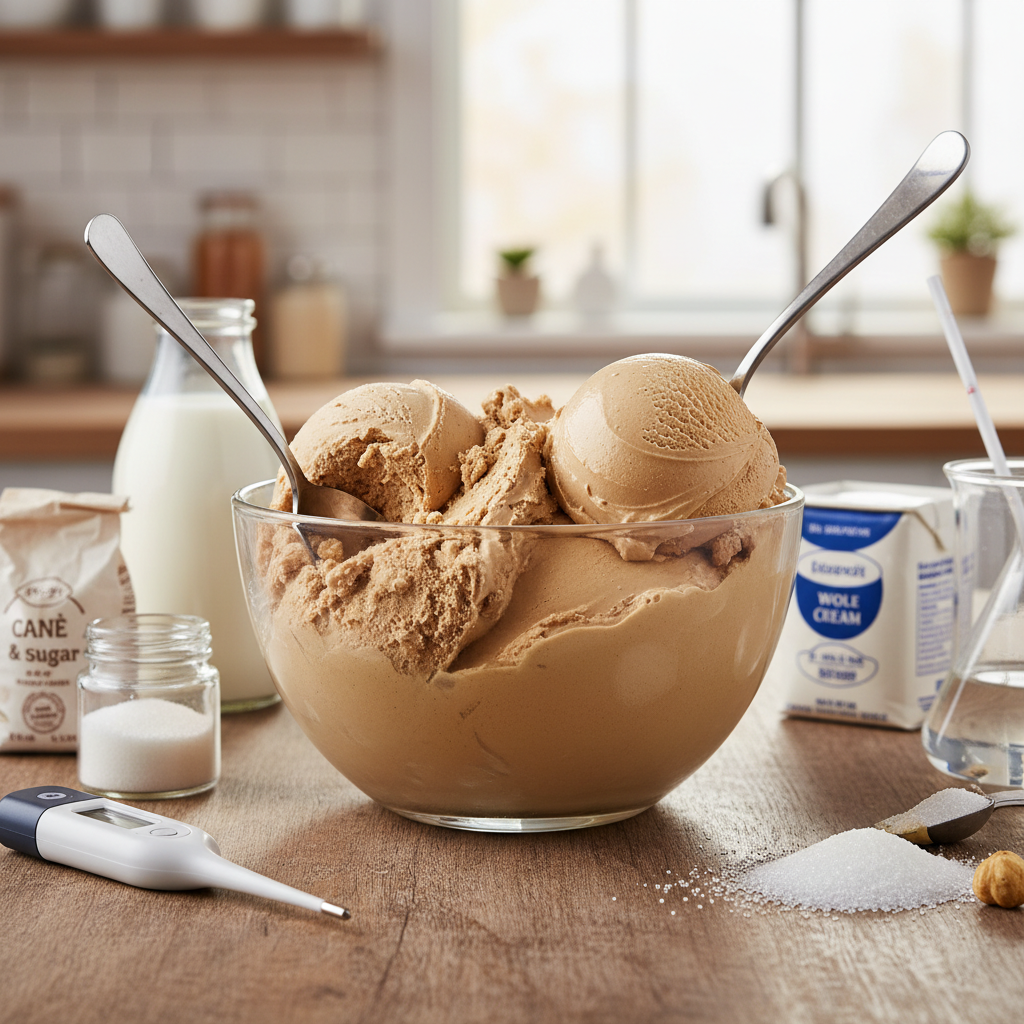
Few treats evoke joy quite like homemade ice cream. The rich, smooth texture and vibrant flavors are a testament to culinary artistry. Many traditional recipes, however, call for raw eggs, which can introduce a hidden risk: salmonella. While the chances of encountering salmonella in a single egg are statistically low, the potential for foodborne illness is a concern for many home chefs. But don’t despair! You can still achieve that luxurious, eggy richness in your frozen desserts by learning how to safely pasteurize eggs at home, transforming a potential worry into a worry-free indulgence. This comprehensive guide will walk you through the simple steps to prepare eggs for your next batch of safe, delicious homemade ice cream.
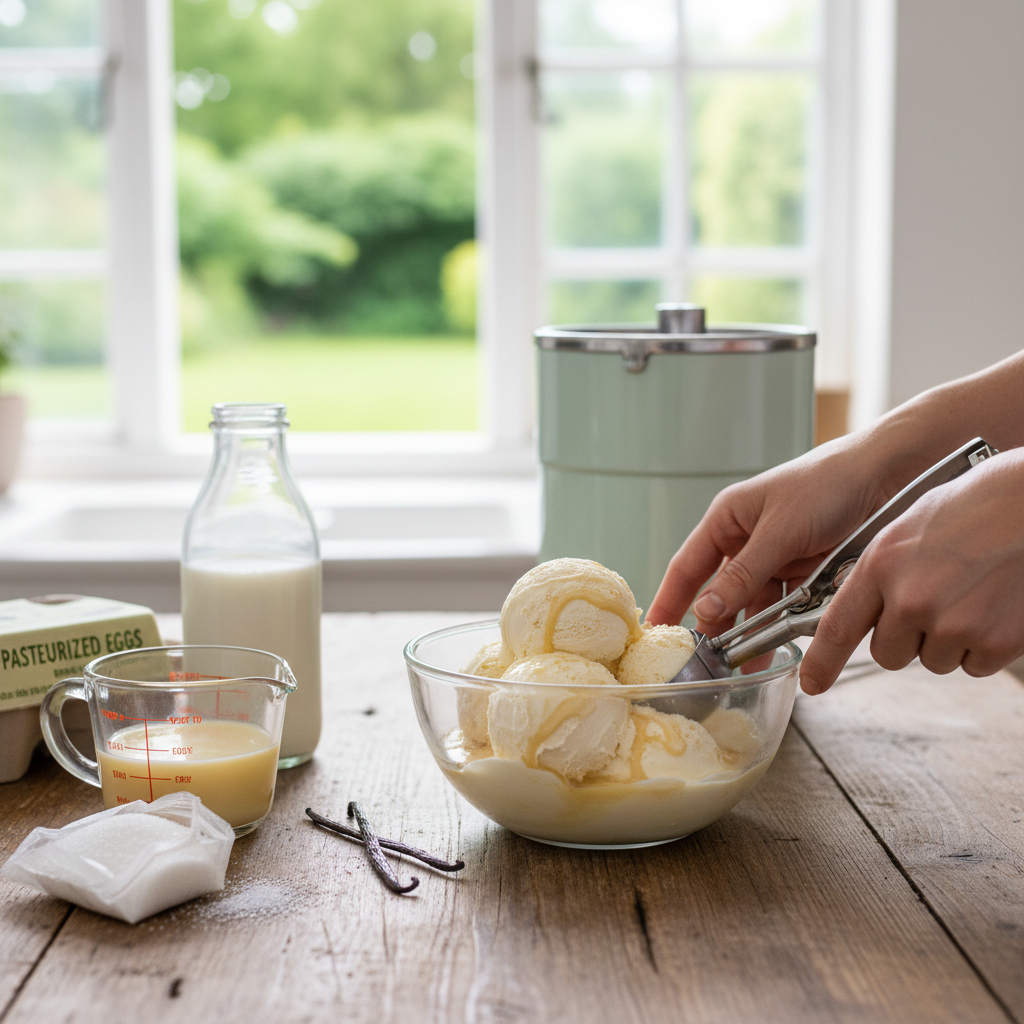
Why Pasteurize Eggs for Your Ice Cream?
Eggs are a fundamental ingredient in many classic ice cream recipes, contributing a silky texture, body, and a distinct richness that milk and cream alone often can’t achieve. They help prevent ice crystals from forming, ensuring a smoother mouthfeel. However, the presence of Salmonella enteritidis bacteria within or on raw eggs poses a health risk. Ingesting these bacteria can lead to salmonellosis, an illness characterized by fever, diarrhea, and abdominal cramps. While freezing your ice cream might seem like a solution, it’s crucial to understand that freezing temperatures merely stop bacterial growth; they do not kill existing salmonella. Pasteurization, on the other hand, is a gentle heat treatment specifically designed to eliminate harmful bacteria without cooking the egg. This process ensures your homemade ice cream is not only delicious but also safe for everyone to enjoy, especially for young children, the elderly, pregnant women, and individuals with compromised immune systems.
Essential Tools for Safe Egg Pasteurization
Before you begin, gather these key tools to ensure accuracy and safety:
- Reliable Food Thermometer: A precise digital thermometer is non-negotiable for monitoring temperatures accurately.
- Saucepan (Medium to Large): For the stovetop method.
- Whisk: To ensure even heating of egg mixtures.
- Ice Bath: A large bowl filled with ice and water to rapidly cool pasteurized eggs.
- Sous Vide Immersion Circulator (Optional): For a hands-off, highly precise pasteurization method.
Methods for Home Egg Pasteurization
There are a few reliable ways to pasteurize eggs at home, each offering a slightly different approach depending on your preference and available equipment.
1. Stovetop Method (Custard Base)
|
Our Picks for the Best Ice cream maker in 2026
As an Amazon Associate I earn from qualifying purchases.
|
||
| Num | Product | Action |
|---|---|---|
| 1 | Ninja NC301 CREAMi Ice Cream Maker, for Gelato, Mix-ins, Milkshakes, Sorbet, Smoothie Bowls & More, 7 One-Touch Programs, with (2) Pint Containers & Lids, Compact Size, Perfect for Kids, Silver |

|
| 2 | Cuisinart Ice Cream Maker, 1.5 Quart Double Insulated, Sorbet and Frozen Yogurt Maker, Ready in 20 Minutes, ICE-21P1, White |
|
| 3 | Ice Cream Maker Attachment for KitchenAid, Fits KitchenAid 4.5/5QT & 6QT Mixers, Frozen Ice Cream & Sorbet Gelato Maker, 2 Quart, White |
|
| 4 | Dash My Mug Ice Cream Maker - Makes Single Serving of Gelato, Frozen Yogurt, Sorbet & More - Easy to Clean & Use - Aqua, 2 Bowls |
|
| 5 | Cuisinart Ice Cream Maker Machine, 2-Quart Stainless Steel Frozen Yogurt, Gelato, Sorbet, Ready in 20 Minutes, LCD Screen and Timer, ICE-70P1 |
|
| 6 | Cuisinart Ice Cream Maker Machine, 2-Quart Ice Cream, Sorbet and Frozen Yogurt Machine, Fully Automatic Double-Insulated Freezer Bowl Makes Frozen Desserts in Under 30 Minutes, ICE30BCP1, Silver |
|
| 7 | Nostalgia Electric Ice Cream Maker - Old Fashioned Soft Serve Ice Cream Machine Makes Frozen Yogurt or Gelato in Minutes - Fun Kitchen Appliance - Blue - 4 Quart |
|
| 8 | Ninja CREAMi Scoop & Swirl Ice Cream Maker, Soft Serve Desserts, Sorbet, Milkshakes, Frozen Yogurt and More, 13-in-1 Programs, Includes Handle and Two 16 oz 2-in-1 Pints, NC701 |
|
| 9 | Elite Gourmet 4Qt Electric Ice Cream Maker EIM350 Delicious Homemade Ice Cream, Gelato, Sorbet, Frozen Yogurt, 4Qt Aluminum Freezing Cannister, Durable Plastic Ice Bucket, Powerful 50W, Periwinkle |
|
| 10 | Nostalgia Electric Ice Cream Maker With 4 Qt Capacity- Old Fashioned Ice Cream Machine Makes Frozen Yogurt or Gelato in Minutes- Vintage Wooden Style Ice Cream Maker with Aluminum Canister- Light Wood |
|
This method involves gently cooking your eggs with a liquid to create a safe custard base, often referred to as a crème anglaise, which is perfect for ice cream. This approach ensures the entire egg mixture reaches a safe temperature.
For Egg Yolks with Recipe Liquid (e.g., cream, milk, sugar):
- Combine Ingredients: In a heavy-bottomed saucepan, whisk together your egg yolks with about 2 tablespoons of liquid from your ice cream recipe (like cream, milk, or even a small amount of sugar dissolved in water) per egg yolk. This liquid helps to prevent the eggs from scrambling too quickly.
- Gentle Heat: Place the saucepan over low heat. It’s critical to cook slowly and gently.
- Continuous Whisking: Whisk the mixture constantly. This prevents the eggs from sticking to the bottom and ensures even heat distribution.
- Temperature Check: Continue whisking until the mixture thickens slightly and coats the back of a metal spoon, and most importantly, reaches an internal temperature of 160°F (71°C). Use your food thermometer to confirm this temperature. Do not let it boil or scramble.
- Immediate Cooling: As soon as the mixture reaches 160°F, remove it from the heat and immediately transfer the saucepan (or pour the custard) into a larger bowl set over an ice bath. Continue to whisk the custard for several minutes until it is thoroughly chilled. Rapid cooling is essential to stop the cooking process and prevent bacterial growth.
- Refrigerate: Once completely cool, cover the custard and refrigerate until ready to incorporate into your ice cream base.
For Whole Eggs with Recipe Liquid:
If your recipe calls for whole eggs, you can use a similar stovetop method. Combine the whole eggs (out of their shells) with approximately 1/4 cup of liquid (sugar, water, or other recipe liquid) per whole egg. Follow the same heating, whisking, and cooling steps as outlined for egg yolks, ensuring the mixture reaches 160°F (71°C).
“Achieving the precise temperature is the secret to safe egg pasteurization. Too low, and you risk missing pathogens; too high, and you’ll end up with scrambled eggs, not smooth custard.”
2. Sous Vide Method (In-Shell)
For those who own a sous vide immersion circulator, this method offers a hands-off, highly consistent way to pasteurize eggs in their shells. It uses a lower temperature for a longer time, which helps preserve the egg’s natural texture.
- Set Up Sous Vide: Fill a large pot with water and place your sous vide immersion circulator according to the manufacturer’s instructions. Set the temperature to 135°F (57°C).
- Add Eggs: Once the water bath reaches the target temperature, carefully place your room-temperature eggs (in their shells) into the water.
- Pasteurize: Allow the eggs to cook in the sous vide bath for 75 minutes. The precise temperature control of the sous vide ensures that the eggs are safely pasteurized without cooking them.
- Ice Bath: Immediately after 75 minutes, transfer the eggs to an ice bath for at least 20 minutes to rapidly cool them down.
- Store: Once cooled, you can store these pasteurized eggs in the refrigerator, just like regular eggs, and use them in any recipe that calls for raw eggs.
3. Stovetop Method (In-Shell – With Caution)
While some sources describe this method, it’s generally not recommended by food safety experts, including the American Egg Board, due to the difficulty in accurately ensuring the internal temperature of the egg yolk. If you choose this method, proceed with extreme caution and a reliable thermometer.
- Prepare: Place room-temperature eggs in a saucepan and cover them with about an inch of cold water.
- Heat Gently: Heat over medium heat until the water temperature reaches 140°F (60°C).
- Maintain Temperature: Maintain this temperature for 3 to 3.5 minutes, being very careful not to let the temperature rise above 142°F (61°C), which will start to cook the eggs. This requires constant monitoring and adjustment of the heat or even adding small amounts of cold water.
- Cool Immediately: Transfer eggs to an ice bath for at least 20 minutes.
Warning: The major drawback of this method is the challenge of ensuring the egg yolk itself reaches and maintains the pasteurization temperature for the required time without overcooking the egg. The previous two methods offer far greater reliability.
Store-Bought Pasteurized Eggs: A Convenient Alternative
For those who prefer a quicker option or are hesitant about home pasteurization, commercially pasteurized eggs are an excellent choice. You can find them in most major grocery stores, often in the dairy aisle, usually packaged in cartons. These eggs have undergone a professional pasteurization process that eliminates salmonella without altering their flavor, appearance, or nutritional value. They can be used directly in any recipe calling for raw eggs, providing peace of mind with minimal effort. While they may be slightly more expensive, the convenience and guaranteed safety are often worth the cost. Just be sure to purchase whole pasteurized eggs, not just egg whites, to achieve the desired richness and texture for your ice cream.
Tips for Storing and Using Pasteurized Eggs
Once your eggs are pasteurized (either at home or store-bought), proper handling and storage are key:
- Refrigerate Promptly: Always refrigerate pasteurized eggs or egg mixtures immediately after cooling.
- Shelf Life: Home-pasteurized eggs should be used within a few days, similar to fresh eggs. Store-bought pasteurized eggs will have an expiration date on their packaging.
- Labeling: If you pasteurize eggs in their shells, it’s a good idea to label them so you don’t confuse them with unpasteurized eggs.
- Cross-Contamination: Always practice good kitchen hygiene, even with pasteurized eggs, to prevent cross-contamination from other raw ingredients.
Conclusion
Creating your own delicious homemade ice cream is a rewarding experience, and with the knowledge of how to pasteurize eggs, you can enjoy this treat with complete confidence in its safety. Whether you opt for the hands-on stovetop custard method, the precise sous vide technique, or the convenience of store-bought pasteurized eggs, you’re ensuring that every spoonful is free from worry. By taking this simple extra step, you not only protect yourself and your loved ones from potential foodborne illnesses but also unlock the full potential of those rich, creamy ice cream recipes that call for the luxurious touch of eggs. So, go ahead, churn up some delightful memories—your perfectly safe and smooth homemade ice cream awaits!
Do you have a favorite ice cream recipe that traditionally uses raw eggs, and are you now ready to try it with pasteurized ones?
Frequently Asked Questions
Is it really necessary to pasteurize eggs for homemade ice cream?
Yes, it is highly recommended to pasteurize eggs for homemade ice cream, especially if the recipe calls for raw or undercooked eggs. This eliminates the risk of salmonella, a bacteria that can cause foodborne illness. While the risk might be small, pasteurization ensures optimal safety, particularly for vulnerable individuals.
Does pasteurizing eggs change their taste or texture in ice cream?
When done correctly, pasteurizing eggs has a minimal effect on their taste, color, or functional properties. The goal is to heat them just enough to kill bacteria without cooking them. Sous vide methods are particularly good at preserving the egg’s original consistency due to their precise low-temperature control.
Can I just use an eggless ice cream recipe instead?
Absolutely! If you prefer to avoid eggs entirely, there are many fantastic eggless ice cream recipes available that rely on other ingredients to achieve creaminess, such as cornstarch, cream cheese, or higher fat content in the dairy. This is a perfectly safe alternative to traditional egg-based recipes.
What is the difference between pasteurizing whole eggs and a custard base?
Pasteurizing whole eggs, typically in their shell (via sous vide) or briefly out of the shell with liquid, aims to keep them in a “raw” consistency while making them safe. A custard base, on the other hand, involves gently cooking the eggs with milk, cream, and sugar to a thicker consistency, effectively pasteurizing them as part of the recipe’s initial preparation. Both achieve safety, but the custard inherently changes the egg’s texture more.