For enthusiasts dreaming of restaurant-quality soft serve right in their kitchens, the allure of a Taylor soft serve machine is undeniable. Taylor is a titan in the commercial ice cream machine industry, synonymous with the creamy, perfect swirls found at fast-food giants and ice cream parlors worldwide. But for home users, the critical question arises: is there a “home version” of a Taylor soft serve machine, and what does a review of such a product entail? This comprehensive guide will delve into the reality of Taylor machines for the home, explore viable alternatives, and help you achieve that perfect soft serve texture at home.
The Reality of Taylor Soft Serve Machines for Home Use
Taylor Company primarily manufactures robust, high-capacity commercial soft serve machines designed for continuous, heavy-duty use in professional settings. These machines are engineered for durability, speed, and consistent product quality, often costing thousands of dollars and requiring dedicated electrical circuits and significant counter space. They are built to churn out hundreds of servings per hour, a scale far beyond typical home consumption.
Therefore, the short answer to “Is there a home version of a Taylor soft serve machine?” is generally no. Taylor does not produce machines specifically marketed or designed for household use in the same way that brands like Cuisinart or Breville do for residential kitchens. Any “home version” you might encounter on second-hand markets or obscure listings is likely a used commercial unit being repurposed, which comes with its own set of challenges.
Why Commercial Taylor Machines Aren’t Suited for Home
- Size and Weight: These machines are massive, often weighing hundreds of pounds and requiring dedicated floor or counter space that most home kitchens simply don’t have.
- Power Requirements: Many Taylor commercial units operate on 208-230V or 3-phase power, which is not standard in residential homes and would require costly electrical modifications.
- Cost: New commercial Taylor machines can range from $8,000 to $30,000+, putting them far out of reach for the average home budget. Used models, while cheaper, still represent a significant investment and potential maintenance costs.
- Maintenance and Cleaning: Commercial machines have complex internal systems that require specific cleaning protocols and regular maintenance to prevent bacterial growth and ensure proper function, often necessitating professional service.
- Capacity and Efficiency: Designed for high volume, these machines are inefficient for small batches, consuming more energy than needed for occasional home use.
|
Our Picks for the Best Ice cream maker in 2026
As an Amazon Associate I earn from qualifying purchases.
|
||
| Num | Product | Action |
|---|---|---|
| 1 | Ninja NC301 CREAMi Ice Cream Maker, for Gelato, Mix-ins, Milkshakes, Sorbet, Smoothie Bowls & More, 7 One-Touch Programs, with (2) Pint Containers & Lids, Compact Size, Perfect for Kids, Silver |

|
| 2 | Ice Cream Maker Attachment for KitchenAid, Fits KitchenAid 4.5/5QT & 6QT Mixers, Frozen Ice Cream & Sorbet Gelato Maker, 2 Quart, White |
|
| 3 | Dash My Mug Ice Cream Maker - Makes Single Serving of Gelato, Frozen Yogurt, Sorbet & More - Easy to Clean & Use - Aqua, 2 Bowls |
|
| 4 | Nostalgia Electric Ice Cream Maker - Old Fashioned Soft Serve Ice Cream Machine Makes Frozen Yogurt or Gelato in Minutes - Fun Kitchen Appliance - Blue - 4 Quart |
|
| 5 | Cuisinart Ice Cream Maker Machine, 2-Quart Ice Cream, Sorbet and Frozen Yogurt Machine, Fully Automatic Double-Insulated Freezer Bowl Makes Frozen Desserts in Under 30 Minutes, ICE30BCP1, Silver |
|
| 6 | Elite Gourmet 4Qt Electric Ice Cream Maker EIM350 Delicious Homemade Ice Cream, Gelato, Sorbet, Frozen Yogurt, 4Qt Aluminum Freezing Cannister, Durable Plastic Ice Bucket, Powerful 50W, Periwinkle |
|
| 7 | Cuisinart Ice Cream Maker Machine, 2-Quart Stainless Steel Frozen Yogurt, Gelato, Sorbet, Ready in 20 Minutes, LCD Screen and Timer, ICE-70P1 |
|
| 8 | Nostalgia Electric Ice Cream Maker With 4 Qt Capacity- Old Fashioned Ice Cream Machine Makes Frozen Yogurt or Gelato in Minutes- Vintage Wooden Style Ice Cream Maker with Aluminum Canister- Light Wood |
|
| 9 | Ninja CREAMi Scoop & Swirl Ice Cream Maker, Soft Serve Desserts, Sorbet, Milkshakes, Frozen Yogurt and More, 13-in-1 Programs, Includes Handle and Two 16 oz 2-in-1 Pints, NC701 |
|
| 10 | Cuisinart Ice Cream Maker, 1.5 Quart Double Insulated, Sorbet and Frozen Yogurt Maker, Ready in 20 Minutes, ICE-21P1, White |
|
Exploring Alternatives: Achieving Soft Serve at Home
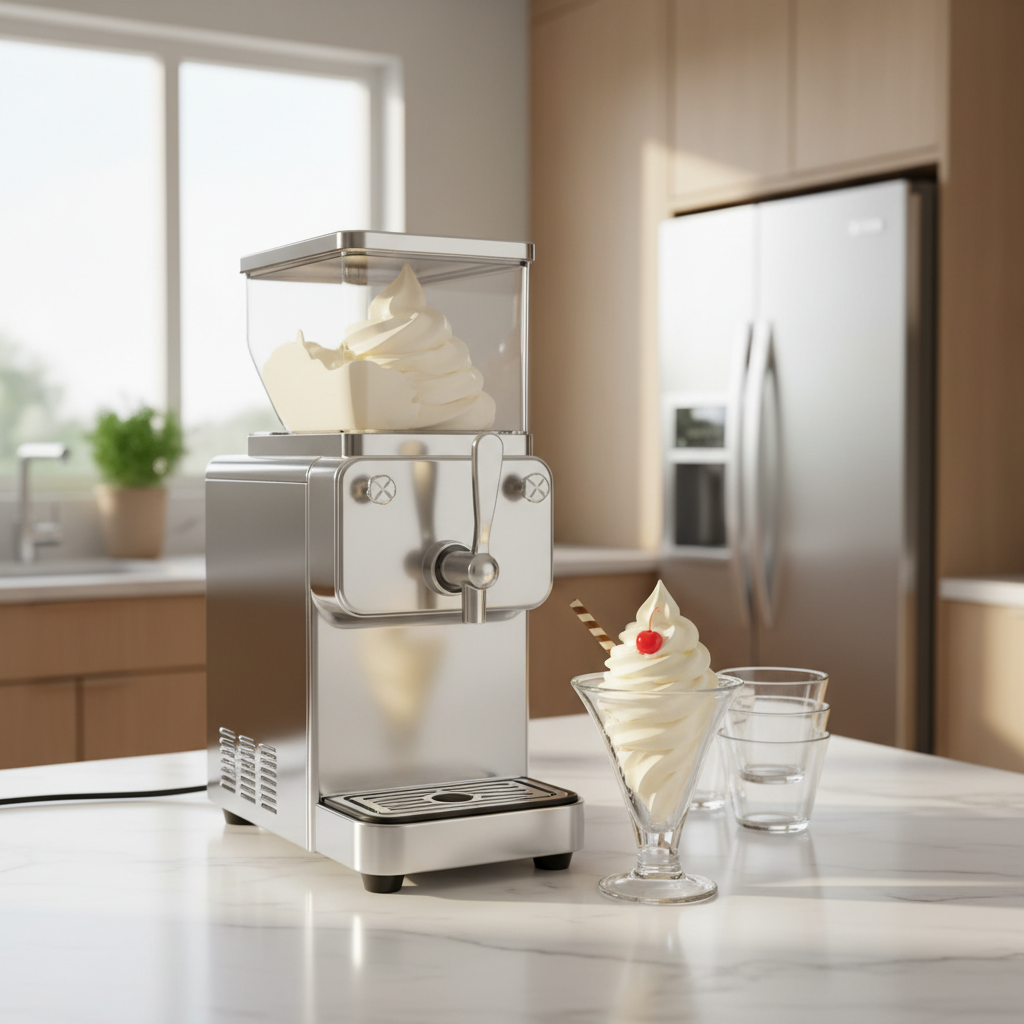
While a genuine “home version” Taylor machine is largely a myth, the dream of homemade soft serve is not. Many excellent residential ice cream makers can produce delicious soft serve with the right techniques and recipes. The key is understanding the different types and what to look for.
Types of Home Soft Serve Makers
For home users, there are two primary categories of soft serve machines:
- Freezer Bowl Machines: These are the most common and budget-friendly. They feature a bowl that must be pre-frozen in a conventional freezer for 12-24 hours before use.
- Pros: Affordable, compact, easy to use.
- Cons: Requires pre-planning, limited to one batch per frozen bowl, results can be less consistent than compressor models.
- Compressor Machines (Self-Freezing): These machines have a built-in refrigeration unit, eliminating the need to pre-freeze a bowl. They are more expensive but offer unparalleled convenience and consistency.
- Pros: Ready on demand, can make multiple batches consecutively, often produce creamier results.
- Cons: Higher cost, larger footprint than freezer bowl models.
Top Home Soft Serve Machine Brands and Models
When evaluating alternatives, look for machines known for producing a smooth, aerated texture similar to soft serve.
- Cuisinart ICE-45 Mix It In Soft Serve Ice Cream Maker: A popular freezer bowl model designed specifically for soft serve, often featuring condiment dispensers. It’s a great entry-level option for convenience and fun, though results are typical for a freezer bowl machine.
- Breville Smart Scoop (Compressor): While not exclusively a soft serve machine, its powerful compressor and multiple hardness settings allow users to achieve a very soft, creamy consistency akin to soft serve. It’s a premium option for serious home ice cream makers.
- Whynter ICM-200LS (Compressor): Another highly-rated compressor machine that provides excellent results for various frozen desserts, including soft serve. Its built-in compressor ensures consistent temperature and allows for batch after batch.
- Ninja CREAMi Series: These aren’t traditional churn-style machines but use a powerful blade to “shave” frozen bases into creamy treats. While not exactly soft serve, they can create extremely smooth, soft, and customizable frozen desserts quickly from a pre-frozen block.
Comprehensive Comparison: Home Soft Serve Makers vs. Commercial Units
To illustrate the stark differences, here’s a comparison that highlights why commercial Taylor machines are not practical for home, and what to expect from dedicated home soft serve makers.
| Feature | Taylor Commercial Soft Serve Machine | Home Soft Serve Machine (e.g., Cuisinart ICE-45, Breville Smart Scoop) |
|---|---|---|
| Purpose | High-volume, continuous production | Occasional use, small batches for personal/family consumption |
| Capacity | Hundreds of servings per hour | 1-2 quarts per batch (approx. 4-8 servings) |
| Cost | $8,000 – $30,000+ (new) | $50 – $400 (freezer bowl to high-end compressor) |
| Size/Footprint | Large floor or counter unit (2-3 ft wide, 2-4 ft deep, hundreds of lbs) | Compact countertop unit (10-15 inches wide, 10-20 lbs) |
| Power Needs | 208-230V or 3-phase (commercial grade) | Standard 120V household outlet |
| Setup/Install | Professional installation, dedicated electrical | Plug and play |
| Maintenance | Daily intricate cleaning, professional servicing | Simple wash-up, occasional deeper clean (user-friendly) |
| User Experience | Complex controls, specialized training | Intuitive, often one-button operation |
| Consistency | Unmatched commercial consistency | Excellent for home use, may vary slightly between models and recipes |
Buying Guide: Choosing the Right Home Soft Serve Machine
Selecting the best soft serve machine for your home involves considering your specific needs, budget, and desired level of convenience.
Determine Your Needs
- Frequency of Use: How often do you plan to make soft serve? For occasional treats, a freezer bowl model might suffice. For daily or frequent use, a compressor model is worth the investment.
- Batch Size: How many people will you be serving? Most home machines make 1-2 quarts, perfect for a family or small gathering.
- Space: Do you have ample counter or cabinet space? Compressor machines are larger but offer more convenience.
- Desired Features: Do you want built-in mix-ins dispensers, multiple consistency settings, or an automatic shut-off?
Budget Considerations
Set a realistic budget. Freezer bowl machines are typically under $100, while quality compressor models can range from $150 to $400+. Remember to factor in the cost of ingredients.
Essential Features to Look For
- Compressor vs. Freezer Bowl: Prioritize a compressor model for on-demand use and greater convenience.
- Capacity: Ensure the bowl size meets your needs.
- Ease of Cleaning: Look for models with removable parts that are dishwasher safe or easy to hand wash.
- Durability: Read reviews for insight into the machine’s longevity and reliability.
- Noise Level: Some compressor machines can be quite loud; reviews can often provide insights here.
- Mix-in Dispensers: If you love adding sprinkles or candy, some machines offer built-in dispensers.
Read User Reviews
Always consult user reviews on reputable retail sites. Pay attention to comments regarding:
- The actual texture of the soft serve produced.
- Ease of cleaning and assembly.
- Durability and common issues.
- The effectiveness of the freezing mechanism (especially for freezer bowl models).
Delicious Homemade Soft Serve Recipes
The machine is only part of the equation; quality ingredients and a good recipe are key to achieving perfect soft serve. Here are a few classics:
Classic Vanilla Soft Serve
- 1 cup whole milk
- 1/2 cup granulated sugar
- 2 cups heavy cream
- 1 tsp vanilla extract
Combine milk and sugar, stirring until sugar dissolves. Whisk in heavy cream and vanilla. Chill thoroughly for at least 4 hours, then churn in your soft serve machine according to manufacturer instructions until it reaches desired soft serve consistency. This typically takes 15-25 minutes in a compressor machine.
Rich Chocolate Soft Serve
- 1 cup whole milk
- 1/2 cup unsweetened cocoa powder
- 3/4 cup granulated sugar
- 2 cups heavy cream
- 1 tsp vanilla extract
In a saucepan, whisk together milk, cocoa powder, and sugar over medium heat until sugar and cocoa dissolve completely. Do not boil. Remove from heat, stir in heavy cream and vanilla. Chill thoroughly before churning.
Fresh Strawberry Soft Serve
- 1 lb fresh strawberries, hulled and pureed
- 1/2 cup granulated sugar (adjust to taste based on berry sweetness)
- 1 cup whole milk
- 1 1/2 cups heavy cream
- 1/2 tsp lemon juice (optional, brightens flavor)
Combine pureed strawberries, sugar, milk, heavy cream, and lemon juice. Mix well until sugar dissolves. Chill completely, then churn.
Tips for Using and Maintaining Your Home Soft Serve Machine
Proper usage and care will ensure your machine performs optimally and lasts for years.
Perfecting Your Soft Serve
- Chill Ingredients: Always chill your base mixture thoroughly (at least 4 hours, preferably overnight) before churning. This is crucial for achieving a smooth, firm soft serve.
- Don’t Overfill: Adhere to the machine’s maximum capacity. Overfilling can lead to poor churning and inconsistent results.
- Experiment with Recipes: Adjust sugar levels, fat content (cream vs. milk), and flavorings to find your ideal texture and taste. A higher fat content generally yields a creamier result.
- Serve Immediately: Soft serve is best enjoyed fresh from the machine. For a firmer consistency, transfer it to an airtight container and freeze for 30-60 minutes.
Cleaning and Storage
- Clean Immediately: As soon as you’re done, disassemble and clean all parts that came into contact with the mix. This prevents dried-on residue and bacterial growth.
- Hand Wash vs. Dishwasher: Check your machine’s manual. Many parts are hand-wash only. Use warm, soapy water and a soft cloth or sponge.
- Dry Completely: Ensure all components are completely dry before reassembling or storing to prevent mildew or odors.
- Proper Storage: Store your machine in a clean, dry place. For freezer bowl models, keep the bowl in the freezer so it’s always ready for your next craving.
Troubleshooting Common Issues
- Too Icy/Not Creamy Enough: Your base mixture may not have been chilled enough, or it might have too low a fat content. Ensure proper chilling and consider a recipe with more heavy cream.
- Doesn’t Freeze: For freezer bowl models, the bowl might not have been frozen long enough or your freezer isn’t cold enough. For compressor models, ensure the machine is plugged in, powered on, and not overheating.
- Mixture Overflowing: You likely overfilled the bowl. Stick to the recommended capacity in your manual.
Conclusion
While the dream of owning a Taylor soft serve machine for your home kitchen remains largely a fantasy due to their commercial nature, the reality of delicious, homemade soft serve is well within reach. By understanding the capabilities of various home soft serve makers and selecting a model that aligns with your needs and budget, you can consistently churn out delightful frozen treats. Whether you opt for an affordable freezer bowl model or invest in a convenient compressor unit, the joy of customizing your own flavors and sharing them with family and friends is an experience worth savoring. What delicious soft serve flavor will you create first in your kitchen?
Frequently Asked Questions
What’s the main difference between commercial and home soft serve machines?
Commercial machines are built for high volume, continuous operation, use specialized power, and are significantly larger and more expensive, while home machines are designed for occasional, small-batch use with standard household power and are more compact and affordable.
Can I really get “restaurant-quality” soft serve from a home machine?
With a good quality compressor home machine and the right recipes, you can achieve a texture and taste that comes very close to restaurant-quality soft serve, especially if served immediately.
How long does it take to make soft serve in a home machine?
For compressor models, churning typically takes 15-25 minutes after the base mixture is chilled. Freezer bowl models require 12-24 hours of pre-freezing the bowl, then 15-25 minutes of churning.
Are soft serve machines hard to clean?
Most home soft serve machines are designed for easy cleaning. Many have removable parts that can be hand-washed with warm, soapy water, though some components may be dishwasher safe. Always check your specific model’s manual.
Can I make regular ice cream in a soft serve machine?
While some home soft serve machines can produce a firmer ice cream consistency, they are primarily designed for the aerated, softer texture of soft serve. For traditional hard-scoop ice cream, a dedicated ice cream maker might offer better results.